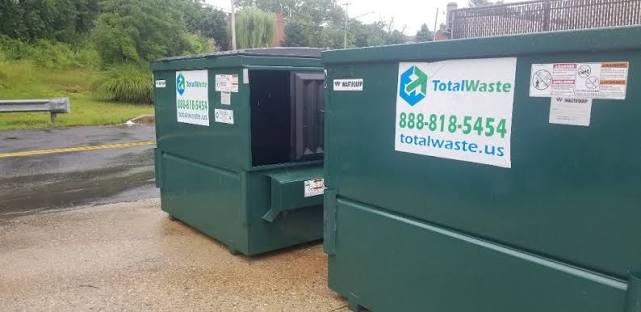
Every cleanup or construction project has a moment when the waste starts taking over. At first, it’s just a few broken boards, some old furniture, or packaging left behind after a delivery. Then the pile grows, the driveway becomes crowded, and the team has to spend valuable time figuring out where everything should go. It’s a familiar situation, but one that can usually be avoided with a little preparation.
Planning waste removal early helps keep projects organised and budgets under control. Whether you’re clearing a home, renovating a rental property, or managing a busy construction site, the right container and collection schedule can make the work considerably easier. The process begins with understanding your needs, comparing suitable options, and knowing what the service includes before making a commitment.
Start by Understanding the Scope of the Job
Before arranging waste removal, take a realistic look at the work ahead. A garage cleanout may involve old furniture, boxes, shelving, and miscellaneous household items. A renovation could produce drywall, flooring, timber, cabinets, and damaged fixtures. Each type of project creates a different combination of waste, so the same container won’t necessarily suit every situation.
Make a rough list of what you expect to discard. If a contractor is involved, ask how much debris the work is likely to generate and whether most of it will appear at once or accumulate gradually. You don’t need an exact calculation, but a reasonable estimate helps prevent ordering a container that fills too quickly.
It’s also useful to think about the project’s timing. Demolition can create a large amount of debris in a short period, while landscaping or ongoing construction may produce waste over several weeks. Your rental period should reflect the work schedule rather than an optimistic guess about the finishing date.
Get a Clear Picture of the Cost
Price is often the first thing people look at when comparing waste removal services. That’s understandable. Home renovations and commercial projects already come with plenty of expenses, and nobody wants an unexpected bill at the end. Still, the lowest advertised price isn’t always the best value.
When requesting a quote, provide enough detail for the provider to understand the job. Explain the type of project, the approximate amount of waste, the materials involved, and where the container will be placed. Mention any heavy debris, such as concrete, soil, or roofing shingles, because weight restrictions may affect the recommended service.
Ask what the estimate includes. Delivery, collection, disposal charges, rental duration, and weight allowances may all affect the final price. Some providers charge additional fees for overweight loads, prohibited items, or extensions beyond the agreed rental period. Understanding these terms upfront makes it easier to compare offers fairly.
A written estimate is especially useful for larger projects. It gives you a reference point if the schedule changes or you need to clarify what was agreed. If anything seems unclear, ask before confirming the service. A good provider should be able to explain the pricing without making the conversation feel complicated.
Choose the Right Dumpster for Your Needs
Dumpster size has a direct effect on convenience and cost. A container that’s too small may need an early exchange, while an oversized option can occupy useful space and cost more than necessary. The goal is to match capacity to the waste you expect to generate.
Smaller containers can work well for modest home cleanouts and limited renovation jobs. Medium-sized options are often considered for multi-room improvements, flooring removal, and larger property clearouts. Larger roll-off dumpsters may suit major renovations, commercial construction, or projects involving substantial amounts of bulky debris.
Volume isn’t the only consideration. Dense materials can reach a weight limit before the dumpster looks full, so check the permitted load before ordering. Certain items, including chemicals, batteries, some electronics, and hazardous materials, may require separate handling. Confirm the provider’s accepted-material list instead of assuming everything can go into a general container.
Placement matters, too. Measure the available area, consider overhead clearance, and make sure the delivery truck can reach the site. A suitable dumpster won’t help much if it blocks the entrance or leaves workers struggling to move materials safely.
Book Around Your Project Schedule
Once you’ve settled on a suitable service, think carefully about when the container should arrive. Too early, and it may sit unused while taking up space. Too late, and waste can accumulate around the property before the container is available.
Good booking practices start with a realistic schedule. If demolition begins on Monday, for example, arranging delivery shortly beforehand may be more useful than having the container arrive several days earlier. For longer projects, ask whether the provider offers extensions, exchanges, or scheduled pickups as the work progresses.
Construction timelines can change. Bad weather, delayed materials, and unexpected repairs may push a project beyond its original completion date. Before confirming the rental, find out how changes are handled and whether additional days involve extra charges.
It’s also worth discussing access requirements. If the container will be placed in a shared parking area or near a busy entrance, you may need to coordinate with neighbours, property managers, or site supervisors. A little communication can prevent avoidable disruption.
Handle Waste Responsibly
Removing debris from a property is only one part of the process. Materials still need to be handled according to local rules and the disposal facility’s requirements. Depending on the waste type, some items may be recycled, while others need specialised collection or treatment.
Responsible proper waste disposal begins with sorting materials when practical and checking restrictions before loading. Clean cardboard, scrap metal, and suitable wood may have recycling options, depending on local services. Separating these materials can reduce the amount of mixed waste sent for disposal.
Never place hazardous materials into a standard dumpster unless the provider specifically confirms that they are accepted. Paint, solvents, certain appliances, batteries, and electronic equipment can have special handling requirements. When in doubt, ask the rental company or check local waste guidance.
Safe loading is equally important. Keep debris below the permitted fill line, distribute heavy items carefully, and avoid leaving sharp materials where they could injure someone. A tidy loading area makes the job safer and helps collection proceed without unnecessary delays.
Look for Reliable Communication and Service
A smooth rental experience depends on more than the container itself. You want clear answers, realistic delivery windows, and a straightforward process if the project changes. Before choosing a provider, consider how well they explain the service and respond to questions.
Ask how delivery and collection are coordinated, whom to contact if the dumpster becomes full early, and what happens if the container cannot be collected on the scheduled date. These details may seem minor during the booking process, but they become important when several people are depending on the project staying on schedule.
It can also help to review the provider’s service area and availability before committing. A company that understands local access conditions and disposal rules may be better positioned to help you plan an efficient arrangement.
Finish the Project Without Unnecessary Stress
Waste removal doesn’t need to be the part of a project that causes the most frustration. With a realistic estimate, a suitable container, and a clear schedule, it becomes a manageable task rather than an ongoing distraction.
Take time to understand the quote, confirm the rental terms, and explain your needs before arranging service. Those simple steps can help you avoid surprise charges, keep the work area accessible, and make better use of your time.
Whether you’re clearing a family home or coordinating a demanding construction job, a little planning goes a long way. When waste removal is organised properly, you can focus on the work itself and enjoy the satisfaction of seeing the project move toward completion.
