There’s something reassuring about turning on the kitchen tap, filling a glass, and knowing your water is suitable for drinking. Yet many homeowners have questions about the water flowing through their homes. Maybe it tastes slightly unusual, leaves white marks around the faucet, or has an odor that wasn’t noticeable a few months ago. These small changes can be frustrating, especially when it’s difficult to tell whether they indicate a genuine problem or simply a characteristic of the local water supply.
The truth is that water quality isn’t identical everywhere. Groundwater can contain naturally occurring minerals, municipal water may have a noticeable disinfectant taste, and plumbing conditions can influence what comes out of a tap. Fortunately, homeowners have several ways to investigate these concerns and choose appropriate treatment.
The best approach isn’t to purchase the most expensive filtration system available. It’s to understand the problem first, compare practical options, and select equipment that fits your household’s needs and budget.
Start by Finding Out What’s in Your Water
Water that looks clear isn’t necessarily free of every substance you might want to reduce. Likewise, an unpleasant taste doesn’t automatically mean the water is unsafe. Appearance, smell, and taste can provide clues, but they cannot reliably identify every water-quality concern.
Testing is therefore a sensible first step. Depending on the water source and the symptoms, an assessment may examine hardness, pH, iron, manganese, dissolved solids, or specific chemical and microbial contaminants. Private wells deserve particular attention because their quality can change with weather, groundwater conditions, and nearby land use.
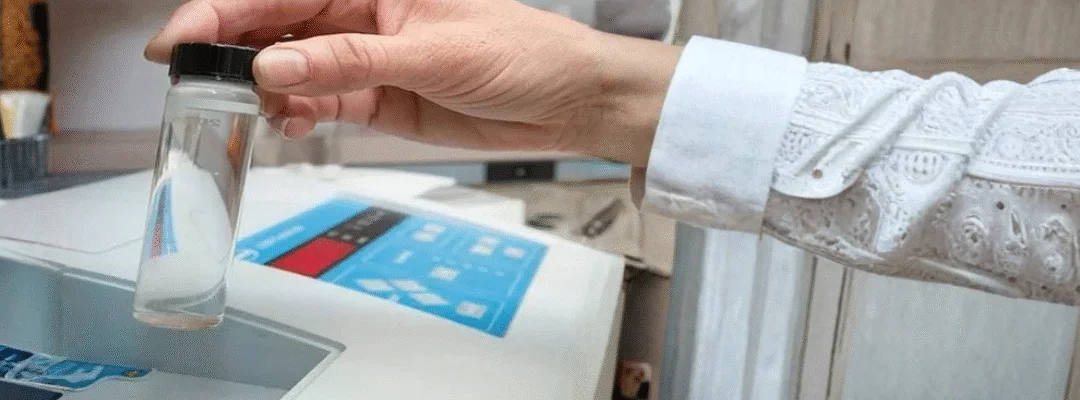
Professional water testing and analysis can help narrow down the issue and identify which treatment methods are appropriate. The important part is choosing tests that address your actual concerns. A general water-quality check may be useful, but suspected contamination often requires more specific laboratory testing.
Keep a record of any changes you notice. Does the water smell different at every faucet, or only at one? Did the issue appear after plumbing work? Is there a reddish stain near the bathroom sink, or does a white crust repeatedly form around fixtures? These details can help identify possible causes and guide further investigation.
If water suddenly becomes discolored or has an unusual odor, don’t assume that a standard household filter will make it safe. Follow local public-health advice and use a confirmed safe alternative for drinking and food preparation if contamination is suspected.
Understanding the Difference Between Hard Water and Contaminated Water
Hard water is one of the most common reasons people consider treatment equipment. It contains higher levels of dissolved calcium and magnesium, which can leave mineral deposits on faucets, showerheads, glassware, and heating elements. Soap may also lather less easily, and cleaning can become a repetitive chore.
Although hard water can be inconvenient, hardness alone generally isn’t the same as contamination. It is important to distinguish a cosmetic or plumbing concern from a potential health risk because each requires a different response.
A water softener can help reduce hardness minerals through ion exchange. This may limit scale buildup and make everyday cleaning easier. However, a softener isn’t designed to remove every unwanted substance from water, so it shouldn’t be treated as a universal filtration solution.
Other concerns call for different technologies. Sediment filters capture particles, activated carbon can reduce chlorine taste and odor when properly designed for that purpose, and reverse osmosis can reduce many dissolved substances. The effectiveness of each method depends on the specific system and the substances being targeted.
Understanding these differences prevents unnecessary spending. There’s little value in installing equipment that solves a problem you don’t have while leaving the real concern untouched.
Choosing a Drinking Water System
For many households, drinking-water quality is the main priority. Homeowners may want to improve the taste of tap water, reduce certain dissolved substances, or avoid relying so heavily on bottled water. The right system depends on the water test results and what the household hopes to achieve.
Reverse osmosis is one option worth considering when the identified concern matches the system’s capabilities. These units push water through a semipermeable membrane that reduces many dissolved substances. Most systems include prefilters, and some use a final filter to improve taste.
Before purchasing reverse osmosis drinking water systems, review their certified performance claims, maintenance schedule, filter replacement costs, and water-use characteristics. Different models vary, so don’t assume that every unit removes the same substances to the same degree.
Also consider how much filtered water your household uses each day. A small household may have different needs from a large family that regularly cooks at home and fills reusable bottles for school or work. The available installation space and the location of the drinking-water tap matter, too.
Reverse osmosis isn’t necessary for every home. If the main issue is chlorine taste, a properly certified carbon filter may be sufficient. If hardness is the concern, a softener may be more appropriate. Testing and a clear understanding of the desired result make it easier to choose wisely.
Finding Practical Solutions for Difficult Water
Some homes face more than one water-quality challenge. A private well may contain iron and hardness minerals, while another property may experience sediment, unpleasant odors, or changing water characteristics. In these situations, treatment often works best when each issue is addressed separately.
Suitable problem water solutions may include specialized filtration media, iron treatment equipment, softeners, sediment filters, or combinations of systems. The right arrangement depends on test results, flow requirements, and the amount of water used throughout the day.
For example, a household dealing with iron staining may need a treatment method designed specifically for iron in its particular form. Simply installing a basic carbon filter may not deliver the expected results. Similarly, persistent sulfur-like odors require investigation to determine their source before selecting equipment.
System sizing is just as important as choosing the right technology. Equipment that’s too small may struggle when several taps run simultaneously, while an oversized system can cost more than necessary. Ask suppliers to explain why their recommended equipment suits your water chemistry and household demand.
Be cautious of anyone who claims that one device will solve every water problem without examining the water first. Clear explanations, realistic expectations, and documented performance are much better signs of a reliable recommendation.
Installation and Maintenance Make a Difference
Even a well-selected system needs proper installation. Plumbing connections, water pressure, drainage, and available space can all affect performance. Before work begins, clarify what’s included in the installation price and whether additional plumbing changes may be required.
Once the system is operating, follow the manufacturer’s instructions for maintenance. Filters need replacement at appropriate intervals, softeners require the correct replenishment, and reverse osmosis membranes may eventually need servicing. Delayed maintenance can reduce performance and increase the chance of avoidable problems.
Pay attention to changes in taste, odor, water pressure, or visible deposits. These signs don’t always mean the equipment has failed, but they deserve investigation. Keep copies of test results, installation information, and service records so that future checks are easier.
For private wells, continue testing at intervals recommended by local health authorities. A treatment system doesn’t eliminate the need to monitor the original water source.
Make a Confident Choice for Your Home
Better water doesn’t necessarily require a complicated setup. Sometimes a single, appropriately selected filter is enough. Other homes benefit from a softener, a specialized treatment unit, or a combination designed around several confirmed concerns.
Begin with reliable testing, compare options carefully, and look beyond the initial purchase price. Replacement filters, salt, servicing, and water consumption can all influence long-term costs. Ask suppliers what their equipment can reduce, what it cannot address, and how you’ll know when maintenance is needed.
Ultimately, the goal is straightforward: water that meets your household’s needs without unnecessary expense or uncertainty. By understanding your water before choosing a system, you can make a practical investment, protect your plumbing and appliances where appropriate, and feel more confident about the water you use every day.
