Water is something most people use dozens of times a day without giving it much thought. We drink it, cook with it, wash our clothes in it, and depend on it for keeping our homes running smoothly. But the water coming from a tap is not always as clean or balanced as it appears. Minerals, sediments, chemicals, and other unwanted particles can affect its taste, smell, and overall safety.
That is where a proper filtration system becomes valuable. Modern water filtration is not just about removing visible dirt; it is about creating a better experience every time you turn on the faucet. Understanding how different stages work, especially components like pre-filters and post-filters, helps homeowners make smarter choices for their families.
A good filtration system usually works through multiple stages, with each part handling a specific job. Think of it like a team where every player has a role. One filter catches larger problems, another improves taste, and another protects the system itself.
Why Multi-Stage Filtration Matters
Many people assume that if water looks clear, it must be clean. Unfortunately, appearance does not tell the whole story. Tiny particles, chlorine, dissolved substances, and certain contaminants can remain invisible while still affecting the water you use daily.
A multi-stage filtration setup improves performance by treating water step by step. Instead of forcing one filter to handle everything, each stage focuses on a particular type of impurity. This approach usually extends the life of the system and provides more consistent results.
For example, sediment particles from old pipes or underground sources can damage delicate filtration membranes if they are not removed early. A first-stage filter helps prevent this issue and allows later stages to work more efficiently.
The Role of a Pre-Filter in Water Systems
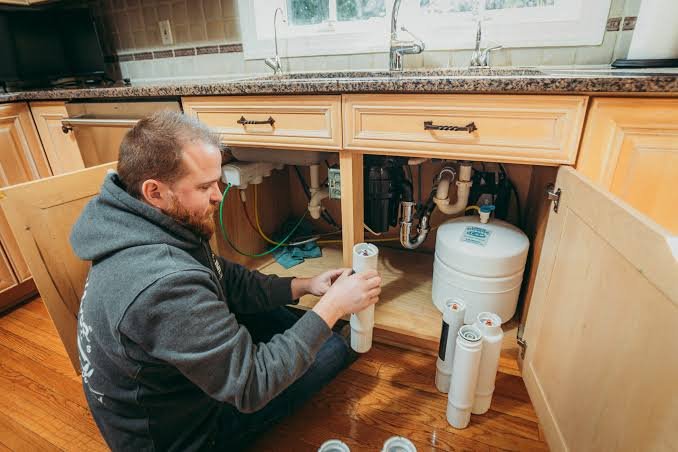
The first stage of many filtration systems is designed to protect the equipment that comes after it. A pre-filter is commonly installed before the main filtration unit because it captures larger particles such as sand, rust, dirt, and sediment.
Imagine pouring water through a coffee filter before using a finer purification process. The first filter removes the bigger mess, making the next step easier and more effective. This simple idea is the foundation behind many residential filtration systems.
Pre-filters are especially useful for homes that rely on well water or areas where plumbing systems carry higher amounts of sediment. Without this protective layer, advanced filters may become clogged faster, leading to frequent maintenance and reduced performance.
Regular replacement is important too. A neglected filter can become less effective over time and may even restrict water flow. A small maintenance task can make a noticeable difference in how the entire system performs.
How Post-Filters Enhance Final Water Quality
After water passes through the main filtration stages, it often receives a final treatment before reaching your glass or faucet. This is where a post-filter plays an important role.
A post-filter works as a finishing touch. It can improve taste, reduce unpleasant odors, and remove any remaining traces of certain impurities that may have passed through earlier stages. Many reverse osmosis systems use this type of filter to polish the water before consumption.
The difference can be surprisingly noticeable. Sometimes people install a filtration system and expect dramatic changes immediately, but the final stage is often what creates that fresh, clean taste they enjoy.
Like the final seasoning added to a meal, the last filtration stage completes the process. It does not replace earlier filters; instead, it works alongside them to provide a better overall result.
Choosing the Right Filtration Setup for Your Home
Every home has different water challenges. A family living in a city apartment may deal with chlorine and aging municipal pipes, while someone in a rural area may face sediment, hardness, or well water concerns.
Before choosing a filtration system, it helps to understand your current water conditions. A professional water test can reveal what is actually present instead of relying on assumptions.
The goal is not simply to buy the most expensive system available. The right solution depends on your needs, water source, household size, and maintenance preferences. A smaller home may need a simple setup, while a larger property could benefit from whole-house filtration.
Many homeowners also overlook the importance of protecting appliances. Hard minerals and sediment can shorten the lifespan of water heaters, washing machines, and plumbing fixtures. Cleaner water can quietly reduce these long-term problems.
Improving Everyday Water Quality Through Better Filtration
The phrase water quality means more than just whether water is safe to drink. It includes taste, odor, appearance, mineral balance, and how water affects your daily routine.
You notice good water quality in small moments: coffee tasting better in the morning, soap rinsing away more easily, and fewer spots appearing on dishes or faucets. These everyday improvements are often the reason people continue using filtration systems after installation.
Technology has made modern filtration more convenient than ever. Many systems now require minimal maintenance while providing reliable performance for years. The key is selecting the right combination of filters and keeping up with basic service requirements.
A Cleaner Future Starts With Better Water Choices
Water filtration is not a luxury anymore; for many households, it has become a practical investment in comfort and peace of mind. Understanding how different filter stages work makes it easier to appreciate the value behind a properly designed system.
A pre-filter protects the system, the main filter removes targeted contaminants, and a post-filter improves the final experience. Together, these stages create cleaner, better-tasting water that supports a healthier home environment.
The best filtration system is not always the most complicated one. It is the one that matches your specific needs and continues working properly over time. With a little attention and the right setup, every glass of water can feel fresher, cleaner, and more enjoyable.
