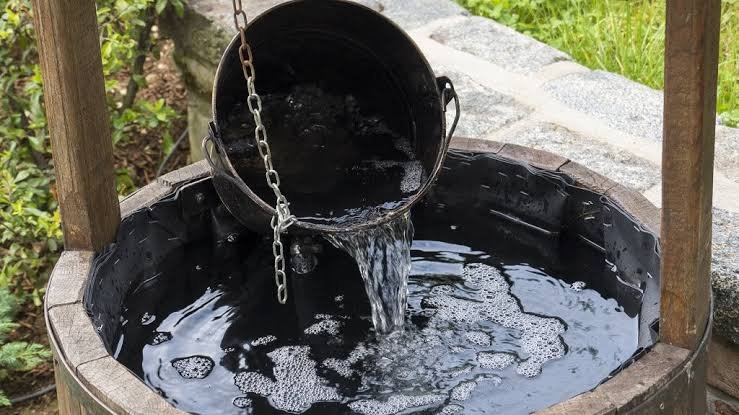
For many homeowners, having a private well feels like a little piece of independence. There’s no city water bill, no municipal supply to worry about, and the water is right there beneath your property. But that convenience comes with responsibility. Unlike public water supplies, private wells aren’t routinely monitored by a utility company, so changes in taste, smell, pressure, or appearance can sometimes go unnoticed until they become a real nuisance.
The tricky part is that not every water issue announces itself. Some problems are obvious, like rusty-looking water or a rotten-egg smell. Others are much harder to spot. That’s why understanding common well water concerns, knowing when to investigate, and choosing the right solution can make a surprisingly big difference in everyday life.
Why Well Water Can Change Over Time
Well water doesn’t come from a single, perfectly uniform underground source. Its quality can be influenced by the surrounding soil, rock formations, groundwater movement, weather, nearby agriculture, and even changes to the well itself.
A dry season, heavy rainfall, flooding, or construction near a property can potentially affect groundwater conditions. Older wells may also have worn components, damaged casings, or poor seals that allow unwanted material to enter the system.
This is one reason well water problems shouldn’t automatically be blamed on “hard water.” Hardness caused by minerals such as calcium and magnesium is common, but it’s only one piece of the puzzle.
Iron, manganese, sediment, sulfur compounds, bacteria, and other naturally occurring or environmental contaminants can also affect private well water. The symptoms can overlap, which makes guessing at a solution frustrating — and sometimes expensive.
The Signs You Shouldn’t Ignore
Your senses can provide useful clues, even though they can’t tell you everything.
Maybe the water suddenly tastes metallic. Perhaps there’s a strange odor when you turn on the shower. You might notice orange stains around sinks, cloudy water in a glass, or white scale collecting around faucets and appliances.
Low water pressure can also attract attention, although pressure issues aren’t always caused by water quality. Problems with the well pump, pressure tank, plumbing, or filters can all play a role.
One especially recognizable complaint is a rotten-egg smell. It may be associated with hydrogen sulfide, which can occur naturally in some groundwater systems. The important thing is not to assume the cause based only on smell. Several different conditions can produce unpleasant water characteristics.
Testing Comes Before Choosing a Treatment
It’s tempting to walk into a store, see a water softener or filter advertised for a particular problem, and think, “That must be what I need.” Sometimes it works. Sometimes it’s money down the drain.
Good water testing gives you a clearer picture of what is actually happening. A proper analysis can help identify characteristics such as hardness, pH, iron, manganese, sulfur-related issues, bacteria, and other contaminants depending on the test performed.
Testing is especially important when a household notices a sudden change. If the water looks or smells different after flooding, well repairs, or a significant environmental event, getting it checked is a sensible first step.
Think of testing as a diagnosis rather than a treatment. A doctor wouldn’t prescribe medication without considering what’s wrong. Water deserves the same kind of logic.
Hard Water Is More Than an Annoyance
Hard water is one of the most common complaints among private well owners. It happens when groundwater picks up dissolved minerals, particularly calcium and magnesium, as it moves through geological formations.
You may notice chalky deposits around showerheads and faucets. Soap might not lather easily, laundry can feel less soft, and dishes may come out with spots. Over time, mineral scale can also accumulate inside water heaters, pipes, and appliances.
A water softener can help in cases where hardness is the main concern. But it’s important to match the equipment to the actual water chemistry. A softener isn’t designed to solve every well water issue, and installing one without understanding the water can leave other problems untouched.
Choosing the Right Treatment Approach
There isn’t a universal “best” filter for every private well. The right solution depends on what’s in the water, how much water the household uses, and where treatment is needed.
For example, sediment filtration may be useful when sand or particulate matter is entering the household supply. A softener may address excessive hardness. Specialized filtration or oxidation methods can be used for certain iron and sulfur concerns. Other contaminants may require entirely different technologies.
That’s where properly selected water treatment systems become valuable. Instead of treating every household the same way, a good system should respond to the specific characteristics of the water.
Whole-house treatment is often considered when homeowners want improved water quality throughout the property, while point-of-use filtration may make more sense for a particular drinking-water concern. In some homes, a combination of technologies provides the most practical result.
Don’t Forget the Well and Plumbing
Sometimes the treatment equipment gets all the attention when the actual problem is somewhere else.
A damaged well cap, cracked casing, failing pressure tank, clogged filter, or aging pump can contribute to water quality or pressure issues. Plumbing materials can also influence what comes out of the tap.
Regular maintenance matters. Keep the area around the well clean and protected from obvious sources of contamination. Avoid storing chemicals, fuel, or other potentially harmful materials close to the well. It’s also wise to keep records of testing, repairs, pump replacements, and treatment equipment changes.
These details may seem boring when everything is working fine. But when something suddenly goes wrong, those records can be incredibly useful.
When Professional Help Makes Sense
Not every water issue requires an expensive treatment installation. Sometimes a simple maintenance adjustment is enough. Other times, the problem calls for professional testing and a carefully designed solution.
Consider getting professional help when the water changes suddenly, an odor persists, pressure drops repeatedly, bacteria are suspected, or staining and scale continue despite basic maintenance.
A qualified water professional can evaluate the test results, inspect relevant equipment, and explain which treatment options actually fit the situation. That last part matters. You shouldn’t need a chemistry degree to understand what you’re buying.
Better Water Starts With Knowing What’s There
Private wells can provide dependable water for years, but they aren’t completely hands-off. Groundwater changes, equipment ages, and small warning signs can develop into larger headaches if they’re ignored.
The smartest approach is fairly simple: pay attention to changes, test the water when appropriate, maintain the well and equipment, and choose treatment based on evidence rather than guesswork.
Clean, reliable water isn’t just about having a filter under the sink or a tank in the basement. It’s about understanding the source and taking care of the entire system. Once you know what’s actually in your water, making the right decision becomes a whole lot easier.
