Ever walked into a room and felt like the air just isn’t moving? The kind of space that makes you feel groggy, headachy, or just… off? You’re not alone. Whether it’s a home office that doubles as a gym, a basement bedroom, or a windowless storage room turned study nook, poor air circulation can make even the coziest space feel unbearable. The good news? There’s a lot you can do — and you don’t need to rip out walls or spend a fortune.
This is your down-to-earth guide to how to improve ventilation in a room — written for real people, living in real homes, who want better air without calling in an HVAC specialist right away.
The Real Reason Your Room Feels Stuffy
Before diving into fixes, let’s talk about why a room might feel suffocating in the first place. It usually boils down to one or more of these:
- Lack of windows or sealed windows that don’t open.
- Poor airflow between rooms (especially in apartments or older homes).
- Moisture build-up, like in bathrooms or laundry rooms.
- High occupancy or electronics generating heat and carbon dioxide.
- Furniture blocking vents or obstructing air circulation.
In short: stale air hangs around, carbon dioxide builds up, humidity climbs, and suddenly your “cozy reading corner” feels like a sauna.
Crack a Window — or Fake It
Obvious, right? But what if your room doesn’t have a window? Or maybe the one you’ve got barely opens? Here’s where creativity steps in.
Even a slightly cracked window can work wonders — especially when paired with a fan. Place a box fan or regular standing fan facing outward in the window to push stale air out. If you’ve got two windows on opposite sides of the house or apartment, that’s gold. Open both to create cross-ventilation and draw fresh air through naturally.
But if you’re wondering how to ventilate a closed room, things get trickier. In this case, a ventilation fan, or better yet, an air purifier with a fan function, can help cycle the air. Some people swear by cracked doors and strategically placed fans — you’d be surprised how much airflow you can create with the right setup.
The Power of Indoor Plants
Okay, no — plants won’t magically “ventilate” your room like a full-blown HVAC system. But they do help freshen up the air in subtle, steady ways. Spider plants, snake plants, and peace lilies are not only low maintenance, but they’re also champions at absorbing indoor pollutants and converting CO₂ into oxygen.
It’s not about replacing your need for ventilation — think of plants as supporting actors in your air quality story. They help, and they look good doing it.
Use What You’ve Got — And Reorganize
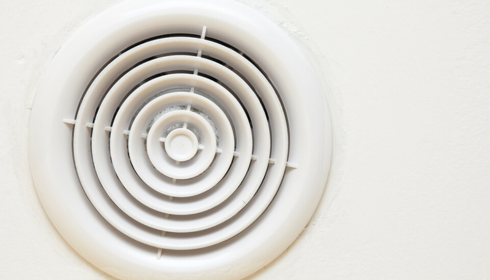
Sometimes it’s not about adding ventilation, but removing the obstacles that block it. If your room has a floor or ceiling vent but still feels stuffy, check to see if furniture is covering it. Heavy curtains, bookshelves, or storage boxes might be silently sabotaging your airflow.
Also, check your door. A room with a closed door and no return vent becomes a sealed box. Try leaving the door slightly open, or even installing a door vent grille if it’s a space you want to keep private but still airy.
If you’re figuring out how to add ventilation to a room, it doesn’t always mean you need to install something new. Sometimes, it’s rearranging what’s already there.
Bring in the Machines (But Start Small)
Let’s say you’ve tried the fans, cracked the windows, added a few plants, and nothing’s doing the trick. It might be time to bring in mechanical reinforcements.
- Exhaust fans: Great for bathrooms and kitchens — or any enclosed room with lingering smells or moisture.
- Inline duct fans: These can pull air from one room to another and are especially helpful if you’re comfortable with a bit of DIY.
- HRVs and ERVs: These are more serious solutions, often part of whole-house systems. Not exactly casual add-ons, but worth exploring if you’re renovating or building new.
If your budget’s tight or you’re renting, consider a portable air purifier with a HEPA filter. It won’t ventilate per se, but it will clean the air, which often makes a room feel fresher and more breathable.
Trick Your Room into Breathing
Let’s be honest — sometimes, you can’t do everything. Maybe you live in a rental. Maybe the room you’re working with was never designed to be lived in. In those cases, little tricks go a long way.
- Leave closet doors open during the day to reduce stagnant air pockets.
- Use a dehumidifier in naturally damp spaces (like basements).
- Switch to low-VOC paints and cleaning supplies, which emit fewer chemicals into the air.
- Use door draft stoppers smartly — sometimes you want that under-door airflow; other times, you want to block smells or dust.
These tiny shifts in behavior can help compensate when architectural changes aren’t possible.
Don’t Ignore the Smell Test
Here’s a very unscientific tip: trust your nose.
If a room smells musty, moldy, or just “off” no matter how clean it is, that’s a sign of poor air quality. Your body knows when the air isn’t right, even if you don’t have a CO₂ monitor or humidity sensor. Take those hints seriously, especially in rooms where you spend a lot of time.
Sometimes how to improve ventilation in a room starts with just noticing the signs — from persistent smells to condensation on windows.
A Word on Safety
If you’re dealing with gas appliances, mold, or suspected carbon monoxide leaks — don’t try to DIY it all. That’s when you call in the pros. Ventilation isn’t just about comfort; it’s about safety too.
Poorly ventilated rooms can lead to mold growth, dust mite infestations, and even long-term respiratory issues. Especially for kids, elderly folks, or anyone with asthma, good airflow isn’t optional. It’s essential.
Final Thoughts: Don’t Settle for Stale
You don’t need to live with stuffy air. With a mix of common sense, clever tweaks, and maybe a few tools from your local hardware store, you can transform a stagnant room into one that actually breathes. And honestly? Once you do, you’ll notice the difference — in how you sleep, how you work, how you think.
If you’ve been wondering how to ventilate a closed room without breaking the bank, start with what you can control. A small change — like running a fan near an open door or moving that dresser off the vent — might be all it takes to freshen up your space.
Because life’s too short to breathe stale air.
