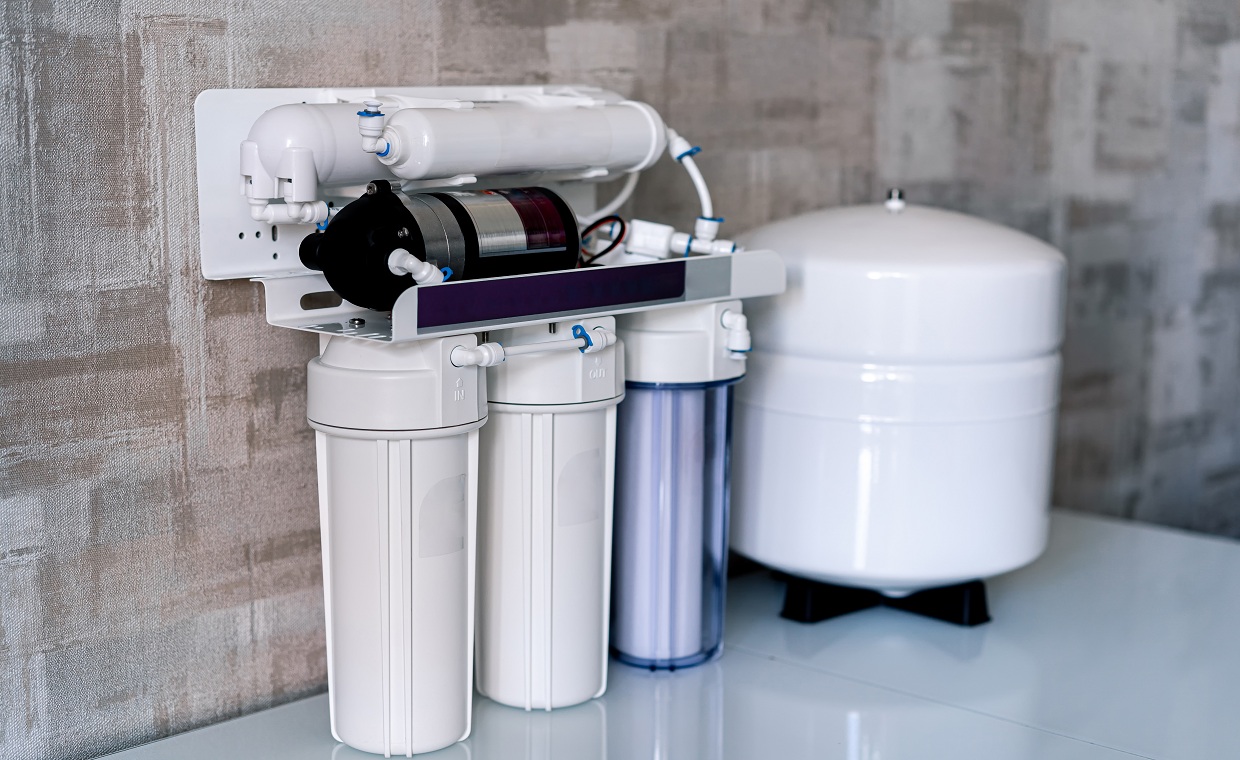
A good home should be somewhere you can relax without worrying about the little things. Yet when tap water smells unpleasant, sediment collects around bathroom fixtures, or drinking water develops an unusual taste, those little things become increasingly difficult to ignore.
While a kitchen filter might provide some relief, treating water before it travels through your household plumbing offers a more comprehensive approach. That’s where point-of-entry water filtration becomes particularly useful, allowing specific water quality concerns to be addressed near the main supply connection.
For homeowners throughout the Treasure Valley, investing in suitable filtration equipment can improve everyday water experiences. But before deciding which system to install, it helps to understand how these technologies work and what they can realistically accomplish.
What Happens to Water Before It Reaches Your Faucet?
Water makes quite a journey before arriving at your home. Depending on its source, it may travel through underground rock formations, municipal treatment facilities, distribution networks, and residential plumbing.
Along the way, it can collect naturally occurring minerals or suspended particles. Municipally treated water may also retain noticeable disinfectant-related tastes and odors.
Private well owners sometimes encounter additional concerns involving iron, sediment, or groundwater contamination.
The interesting thing is that water quality isn’t necessarily consistent across an entire neighborhood. Your household might experience problems that someone living nearby has never encountered.
Understanding your water’s characteristics is therefore more valuable than relying on another homeowner’s experience when choosing filtration equipment.
How Sediment and Carbon Filters Work Together
Different filtration technologies serve different purposes. Some capture physical particles, while others reduce particular dissolved substances that affect water quality.
Combining whole-home sediment and carbon filtration can help homeowners address suspended debris alongside certain unwanted tastes, odors, and contaminants.
Sediment filters act as a physical barrier, capturing materials such as fine sand, rust, and dirt. Activated carbon works differently, using its porous surface to adsorb certain substances as water passes through it.
These technologies complement one another because they address separate concerns.
However, neither should be considered a universal solution for every water quality problem. Dissolved hardness minerals, specific chemical contaminants, and microorganisms may require additional treatment.
Understanding these limitations helps homeowners establish realistic expectations before purchasing equipment.
Finding a Filtration System That Fits Your Property
Choosing household filtration equipment involves more than comparing prices or looking at the size of a filter cartridge.
When evaluating residential whole-house filters, consider your property’s measured water quality, peak water consumption, incoming pressure, available installation space, and maintenance requirements.
A household with several bathrooms and a busy laundry schedule will naturally have different demands from a smaller property occupied by one person.
Undersized equipment may restrict water flow, particularly when multiple fixtures are being used simultaneously.
Maintenance accessibility matters as well. Nobody wants to move heavy storage boxes or squeeze behind appliances whenever a cartridge needs replacing.
A thoughtfully selected filtration system should work comfortably alongside your existing plumbing rather than introduce unnecessary complications.
Enjoying the Everyday Benefits of Centralized Filtration
Some household improvements are immediately noticeable. Others quietly make daily life more comfortable over time.
Depending on your incoming water conditions, suitable centralized filtration may help reduce visible particles and certain unpleasant odors throughout connected areas of your home.
Imagine preparing dinner without an objectionable chlorine taste in the water or taking an evening shower without noticing the same unpleasant smell.
There may also be fewer suspended particles collecting inside faucet aerators.
Another advantage is convenience. Maintaining equipment in one location can be considerably easier than remembering separate replacement schedules for several smaller filtration devices.
For busy families juggling work, school, and household responsibilities, simplifying those little maintenance tasks is genuinely worthwhile.
Does Whole-House Filtration Eliminate Hard Water?
This is a question many homeowners ask, particularly when they’re tired of removing chalky deposits from shower doors and bathroom faucets.
Conventional sediment and carbon filters generally don’t remove dissolved calcium and magnesium, the minerals responsible for water hardness.
If stubborn limescale is your primary concern, traditional water softening may be a more appropriate addition to your treatment arrangement.
Some Treasure Valley households benefit from combining filtration and softening because they experience multiple water quality challenges.
The important thing is recognizing the difference between these technologies. Purchasing a filter to solve a hardness problem could leave you disappointed, even if the equipment performs exactly as intended.
Why Testing and Regular Maintenance Matter
Before investing in filtration equipment, arrange appropriate testing to understand what’s actually present in your water.
Municipal water customers can review available supplier reports, while private well owners should arrange property-specific laboratory analysis.
Once equipment is installed, regular maintenance becomes essential. Sediment cartridges gradually accumulate debris, while activated carbon eventually loses its ability to reduce targeted substances.
Follow manufacturer replacement recommendations and pay attention to unexpected changes in water pressure or quality.
Periodic testing is especially important when filtration equipment is intended to address potentially harmful contaminants.
Clearer water and improved taste are welcome benefits, but neither automatically establishes drinking water safety.
Making Better Water a Natural Part of Everyday Life
Improving household water quality doesn’t have to involve an unnecessarily complicated installation. Start with reliable information, identify your priorities, and choose equipment designed to address your particular concerns.
A well-maintained filtration system can quietly improve ordinary household experiences, from preparing your morning coffee to enjoying a relaxing shower after a long day.
Life in the Treasure Valley offers plenty of things worth enjoying. Spending less time worrying about household water quality leaves more room for those experiences.
Sometimes, the most worthwhile home improvements are the ones you appreciate every day without even thinking about them.
