activated carbon filters
You pour a glass of water from the kitchen tap. It looks crystal clear… but the moment it hits your nose, something’s off. It’s faint, maybe, but definitely there—chlorine, metal, or something you can’t quite put your finger on. You drink it anyway, because hey, it’s probably fine. But it nags at you.
If that sounds familiar, you’re not alone.
Millions of households experience unpleasant water smells or tastes every day, even when their local supply meets “safe” standards. That’s because legally safe and personally pleasant aren’t always the same thing. And while we often blame aging pipes or overly chlorinated municipal water, the real issue is usually solvable—if you’ve got the right filtration setup.
Let’s talk about how activated carbon filters, sediment systems, and advanced purifiers help solve the problem at the source—not just mask it. And we’ll do it in plain language, no technical babble.
Clear Isn’t Always Clean
Water can be crystal clear and still be loaded with stuff you don’t want in your body—or your morning coffee.
Municipal water gets treated with chlorine or chloramine to kill bacteria. That’s a good thing, health-wise, but not so great for your nose or taste buds. Then there’s the stuff that isn’t filtered at all: volatile organic compounds (VOCs), pesticides, microplastics, and trace pharmaceuticals. Not all water treatment facilities are equipped to deal with every single one.
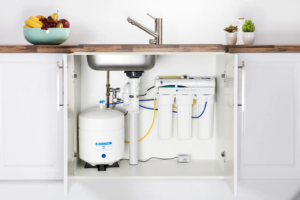
That’s where water purifiers step in. Not the jug with the replaceable filter you forget to change, but real systems designed to handle a wide spectrum of water issues. Depending on your setup, you might use a whole-house unit, an under-sink reverse osmosis system, or a multi-stage carbon filter that knocks out chlorine, heavy metals, and even funky smells.
The end result? Water you actually enjoy drinking—without the guessing game.
Activated Carbon: Your Water’s Best Friend
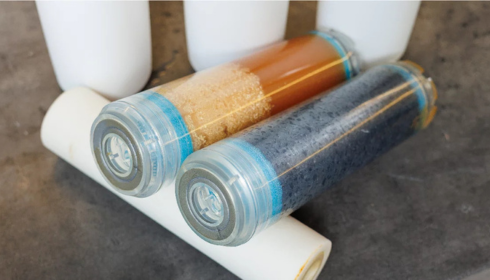
Of all the filtration methods out there, few are as reliable (and affordable) as activated carbon filters. These clever little filters are made from things like coconut shells or coal, then processed to make them ultra-porous. The result? A surface area so vast it can absorb a wide range of contaminants like a sponge.
Activated carbon works like a magnet for chlorine, VOCs, and other chemicals that affect flavor and smell. It doesn’t just filter—it absorbs. Which is why water that passes through it often tastes smoother, cleaner, and somehow just “better.”
It’s not just about flavor, though. By removing harmful organic compounds, carbon filters also make your water safer. And let’s be honest: the more you enjoy your water, the more you’re likely to drink it. That’s a health win on all fronts.
Taste and Odor Are Just the Beginning
If you’re still living with water that smells a little like a public pool—or worse, like a rusty pipe—there’s good news: you don’t have to.
Proper taste and odor removal begins with understanding what’s causing the issue. Chlorine? Sulfur? Iron? Algae byproducts? Once you know what you’re up against, it’s much easier to fix.
That’s where a layered approach works best. Many people combine sediment pre-filters (to catch physical debris), carbon filters (for chemical and odor reduction), and sometimes even UV or reverse osmosis systems for deeper purification. It’s not one-size-fits-all, but the result is the same: water that doesn’t just look clean—but smells and tastes clean, too.
And honestly, that makes a difference. In your cooking. Your coffee. Your kid’s water bottle. Even your dog notices.
Sediment: The Grit That Nobody Talks About
Let’s not forget one of the most overlooked water issues—good ol’ sediment. That’s your sand, silt, rust, and whatever else your pipes or well might kick up.
If you’ve ever noticed a gritty residue in the bottom of your glass, or if your fixtures seem to get dirty no matter how often you clean them, sediment is likely the culprit.
The solution? Sediment filtration systems that trap the bigger stuff before it clogs your plumbing or wears down your appliances. These are typically installed as a first line of defense—like a pre-filter that protects your more sensitive (and expensive) filtration stages. They’re low maintenance, highly effective, and worth every penny.
Plus, once you stop drinking bits of rust and sand, you’ll wonder why you didn’t do it sooner.
Real Water You Can Actually Trust
Here’s the thing: we don’t think about water until it gives us a reason to.
But once you do make the switch to better filtration, it’s kind of impossible to go back. You start noticing how water should taste. You stop buying bottled water. You trust what’s coming out of your tap.
It’s not just about removing the “bad stuff.” It’s about elevating something so basic that it becomes a small joy—every single day.
Final Sip: Clear, Clean, and Finally Enjoyable
You don’t need to be a water expert to care about what’s in your glass. You just need to know there are better options—and that you don’t have to settle for tap water that smells off or tastes flat.
Whether it’s installing activated carbon filters for everyday chemical removal, investing in water purifiers for more comprehensive protection, or using sediment filtration to block out the big stuff, the path to cleaner water isn’t as complicated (or expensive) as it seems.