energy efficiency
A good home improvement doesn’t always have to mean knocking down walls or spending a small fortune. Sometimes, the changes that make the biggest difference are surprisingly practical: better lighting, updated doors, efficient windows, a fresh coat of paint, or a well-planned outdoor space.
The best upgrades do more than make a house look nicer. They can make daily life easier, reduce ongoing costs, and give homeowners a stronger sense that their property is working for them rather than the other way around. And honestly, that’s where smart home improvement starts—not with trends, but with paying attention to what your home actually needs.
Whether you’re preparing to sell or simply want to enjoy where you live a little more, a few thoughtful improvements can go a long way.
Start With the Improvements You Notice Every Day
It’s easy to get distracted by glamorous renovation ideas. New kitchens and luxury bathrooms get plenty of attention, but smaller projects can have just as much impact.
Think about the things that annoy you on a regular basis. Is a room always too hot or too cold? Does the front door stick? Is the hallway gloomy after sunset? Do you struggle with storage?
Fixing those everyday frustrations often gives you a better return in practical value than making a purely decorative change.
For example, replacing worn weatherstripping around doors and windows can make rooms feel more comfortable while reducing unwanted drafts. Updating old light fixtures can completely change the atmosphere of a room without requiring major construction. Even adding shelves or built-in storage can make a cramped space feel noticeably calmer.
The key is simple: improve the parts of the home you interact with most.
Make Energy Use Part of the Plan
Rising utility bills have made homeowners think differently about renovation. A beautiful upgrade is nice, but one that saves money month after month is even better.
Improving energy efficiency can begin with relatively straightforward projects. Sealing air leaks, adding insulation, installing efficient windows, and upgrading outdated appliances can all help a home use less energy. Smart thermostats and LED lighting are other practical options that don’t require a major remodel.
Heating and cooling deserve particular attention because they can account for a significant share of household energy consumption. If your HVAC system is old, poorly maintained, or struggling to keep temperatures consistent, an inspection may reveal opportunities for improvement.
There’s also a comfort benefit here. Better insulation and sealing don’t just reduce energy waste; they can help eliminate cold spots, drafts, and rooms that never seem to reach the right temperature.
Before starting an energy-focused project, it’s worth looking at your current utility bills and identifying where the biggest inefficiencies might be. You don’t need to change everything at once.
Don’t Overlook the Front of Your Home
First impressions matter, even when you’re not trying to sell. Coming home to a welcoming entrance just feels good.
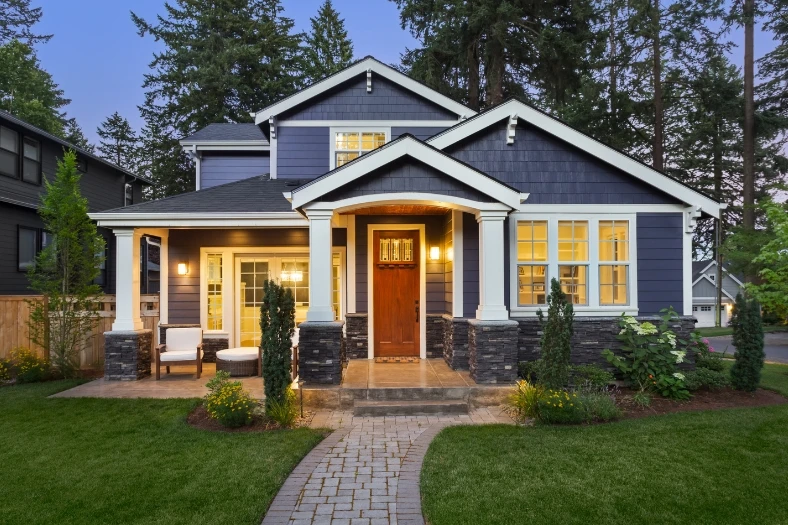
That’s why curb appeal is about more than impressing potential buyers. A clean walkway, healthy landscaping, attractive exterior lighting, and a well-maintained front door can make a property feel cared for.
You don’t necessarily need an expensive landscape redesign. Trim overgrown plants, remove dead branches, refresh mulch, clean the driveway, and consider adding a few seasonal plants. Sometimes a tired-looking exterior simply needs attention rather than a complete makeover.
The front door is another easy place to make a noticeable change. A new door, updated hardware, or even a carefully chosen paint color can give the entrance more personality. Outdoor lighting can also improve the appearance of the property after dark while making pathways easier to navigate.
These projects are relatively modest, but together they can make the entire house feel more polished.
Upgrade Home Security Without Making Your House Feel Like a Fortress
Home improvements should also help you feel comfortable when you’re away.
Modern security solutions can be surprisingly unobtrusive. Video doorbells, motion-activated lighting, smart locks, outdoor cameras, and alarm systems can provide additional awareness without turning a home into something that feels overly protected or complicated.
Start by considering vulnerable areas rather than buying every device available. A poorly lit side entrance may benefit more from motion lighting than another indoor camera. A reliable deadbolt and reinforced door frame may be more useful than an expensive gadget.
It’s also smart to think about visibility. Trim bushes around windows and entrances so they don’t create hidden areas. Make sure exterior lights cover pathways and access points. Basic maintenance can sometimes be one of the most effective security improvements.
Technology is helpful, but good habits still matter. Locking doors, keeping garage access secure, and maintaining outdoor areas all contribute to a safer home.
Give Your Interior a Refresh, Not a Personality Overhaul
A home can start feeling stale long before anything is actually wrong with it. Paint gets scuffed, fixtures look dated, and rooms lose some of the charm they once had.
You don’t have to follow every interior design trend to refresh a space. In fact, choosing timeless materials and colors is often a safer long-term decision.
Neutral wall colors can create a clean foundation, while furniture, artwork, rugs, and smaller accessories can bring personality into the room. If a full repaint isn’t necessary, focus on high-traffic areas first.
Kitchen and bathroom fixtures can also provide an inexpensive visual lift. Replacing cabinet handles, faucets, mirrors, or outdated light fixtures can change the look of a room without replacing the entire space.
And remember, decluttering is an improvement too. It costs almost nothing, yet it can make rooms feel larger, brighter, and more functional.
Think About Maintenance Before You Renovate
There’s a less exciting side of home improvement that deserves more attention: maintenance.
Before spending thousands on cosmetic changes, check the condition of your roof, plumbing, electrical system, drainage, and exterior surfaces. A small leak hidden behind a wall can become a much bigger problem if ignored. Likewise, peeling exterior paint or damaged sealant may allow moisture to create expensive damage over time.
Regular inspections help homeowners catch these issues earlier. It’s not glamorous work, but neither is paying for an emergency repair that could have been avoided.
A useful approach is to keep a simple home maintenance calendar. Note when filters are replaced, gutters are cleaned, HVAC equipment is serviced, and major systems are inspected. It takes only a few minutes to maintain the record, and it can save plenty of guesswork later.
Choose Improvements That Fit Your Long-Term Plans
Not every home improvement makes sense for every homeowner. Your plans matter.
If you expect to move within a few years, focus on upgrades that improve functionality and broad buyer appeal. If you’re staying for the long haul, you can make more personal choices. Maybe that means a backyard workshop, a comfortable reading corner, improved accessibility, or a kitchen designed around the way your family actually cooks.
Budget matters, too. Create a realistic project budget before work begins and leave some room for unexpected costs. Older homes, especially, can hide surprises behind walls and floors.
And don’t feel pressured to renovate everything at once. A thoughtful series of smaller improvements can be easier to manage—and sometimes more satisfying—than one enormous project.
A Better Home Is Usually a More Thoughtful Home
The most worthwhile home improvements aren’t necessarily the ones that look impressive in a before-and-after photo. They’re the changes that make mornings easier, bills more manageable, rooms more comfortable, and the property safer and easier to maintain.
Start with what bothers you. Look at what costs you money. Pay attention to neglected areas. Then make improvements gradually, with a clear idea of why you’re doing each one.
A home doesn’t need to be perfect to be a great place to live. It just needs to work well for the people inside it—and a few smart, carefully chosen upgrades can make that happen.