water treatment service areas
There’s something uniquely comforting about turning on the faucet and hearing the soft gush of running water. It’s a small moment that most of us take for granted—until something changes. Maybe the water smells weird. Tastes off. Or maybe it just doesn’t feel right on your skin. That’s when it hits you: water isn’t just water. It’s chemistry, infrastructure, history—and more importantly, it’s local.
In cities and towns across New York, water isn’t a one-size-fits-all deal. The stuff flowing through your tap in Syracuse isn’t quite the same as what’s running through pipes in Geneva or Ithaca or the Finger Lakes region. Which is exactly why understanding your water treatment service areas matters more than people realize. Because the closer you are to the source—and the people who maintain it—the better your odds of drinking water that’s truly clean, safe, and satisfying.
The Local Connection: Water That Knows Where You Live
Let’s say you’re in Syracuse, NY. You wake up, brush your teeth, pour a glass of water, and go about your day. You don’t question what’s in that glass. You trust the system. And that’s fair—because Syracuse water service has built a strong reputation over the years. Their system pulls from Skaneateles Lake, one of the cleanest sources in the state. It’s unfiltered, but tightly monitored. The city keeps it in check through chlorination and regular testing. That’s great—but it still pays to be aware, especially if you live in an older home where pipes may be outdated.
And it’s not just about health. It’s also about taste, softness, mineral balance, and how your appliances are aging. Local treatment options often understand regional quirks better than the big nationwide services ever could. They’ve dealt with the same plumbing issues you’re having. Fixed the same odd smells. They know the terrain—literally.
Don’t Overlook the Smaller Towns
Now shift the lens a bit—maybe you’re in Geneva. Smaller city. Different source. Different story. While still located in the Finger Lakes region, Geneva NY water typically draws from Seneca Lake, and while the treatment standards are solid, that doesn’t mean there aren’t fluctuations. Algae blooms, seasonal shifts, and industrial runoff can impact water clarity and safety.
And again, unless you’re testing your own water occasionally or working with a local filtration expert, you might not notice these changes until they’ve already made their way into your tea kettle. Local treatment professionals understand this ebb and flow better than anyone. They monitor these sources year-round. They don’t just rely on reports—they talk to people like you every day.
Understanding What “Safe” Really Means
Here’s a slightly uncomfortable truth: legally safe doesn’t always mean ideal. Your municipal water may meet EPA standards but still contain trace amounts of chlorine, lead, nitrates, or hardness-causing minerals. It’s not illegal, but it might not be what’s best for your body or your home.
That’s where local filtration and treatment solutions step in. When a provider focuses on specific water treatment service areas, they’re not just offering a generic filter and walking away. They tailor their systems based on the water profile of your ZIP code. That might mean recommending a UV system for someone on well water, or a softener for homes on municipal supply but with high mineral content. It’s thoughtful. It’s precise. And it works.
Small Fixes, Big Impact
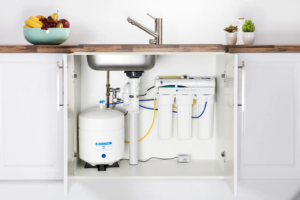
A lot of homeowners hesitate when they hear the word “treatment.” It sounds like a big project. Something expensive. But sometimes all it takes is a small fix—like a sediment filter or under-sink reverse osmosis system—to make a world of difference.
And it’s not just about taste, either. Better water can extend the life of your dishwasher, save your hot water heater from scale buildup, and even reduce your reliance on bottled water. It adds up over time. It feels good. And honestly? Your coffee tastes way better when the water isn’t doing weird things behind the scenes.
Not All Filters Are Created Equal
One of the biggest mistakes people make is assuming all filters do the same thing. Spoiler alert: they don’t. Some are great for chlorine but useless against lead. Others handle sediment but ignore bacteria. That’s why knowing your source—and having it tested—is half the battle.
Local providers in Syracuse, Geneva, and the broader Upstate NY area are often equipped with tools and insights that national chains can’t match. They’ll know what’s common in your area and what’s rare. They’ll tell you if that sulfur smell is coming from your well or your pipes. And they’ll fix it without overselling you.
Final Thoughts: Tap Into Something Better
Good water isn’t a luxury—it’s a necessity. It fuels your mornings, your cooking, your health. And whether you’re in a bustling city or a quiet lakeside town, you deserve to know that what you’re drinking, bathing in, and giving to your family is clean, reliable, and tailored to your needs.
So ask questions. Get your water tested. Don’t assume the standard is the best you can get. And if something feels off, trust your gut—it’s probably not just in your head.