
filter replacement services
Most of us love the idea of clean, filtered water at home — the fresh taste, the peace of mind, the comfort of knowing we’ve taken a step toward healthier living. But there’s one part of the process people often forget until it’s too late: maintaining those filters properly.
It usually starts quietly.
You’ve installed a water filtration system, and everything feels great. Water tastes crisp, coffee tastes richer, and there’s a certain confidence that comes with knowing your home’s water quality has improved.
Then, months pass.
Gradually, without any dramatic warning, things begin to change. The water might develop a faint aftertaste. Flow becomes slightly slower. Maybe you notice a subtle odor that wasn’t there before.
At first, it’s easy to ignore. After all, nothing feels urgent.
But what many homeowners don’t realize is that filtration systems don’t stop working suddenly — they slowly lose effectiveness over time, especially when filters aren’t replaced regularly.
And that gradual decline can quietly affect both water quality and system performance.
Why Filters Don’t Last Forever
Water filters work by trapping impurities — sediment, chlorine, organic compounds, and microscopic particles.
Over time, those trapped contaminants accumulate inside the filter media. Eventually, the filter reaches its capacity and can no longer function efficiently.
When this happens, water may start bypassing filtration stages, or worse, previously trapped impurities may begin releasing back into the water flow.
This is why regular maintenance and filter replacement services are essential for keeping water treatment systems operating effectively.
Replacing filters isn’t just about maintaining taste — it’s about preserving the integrity of the entire system.
The Subtle Signs Your Filters Need Attention
One of the biggest challenges with filter maintenance is recognizing when replacement is needed.
Unlike a broken appliance, filtration systems rarely provide obvious warnings.
Instead, homeowners might notice small changes:
- Reduced water pressure at the tap
- Slightly unusual taste or odor
- Slower filling time for filtered water
- Increased noise during filtration cycles
These clues often appear gradually, making them easy to overlook.
But they’re often early indicators that filters are nearing the end of their lifespan.
The Importance of Maintaining Reverse Osmosis Systems
Reverse osmosis systems are among the most effective water purification technologies available for residential use.
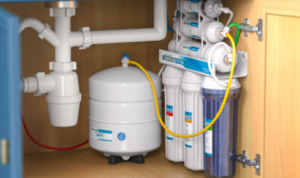
They rely on multiple filtration stages, including pre-filters, membranes, and post-filters, each designed to remove specific impurities.
However, these systems require consistent maintenance to function properly.
Neglecting ro filter replacement can lead to clogged membranes, reduced purification efficiency, and even potential damage to internal components.
When maintained correctly, reverse osmosis systems deliver consistently high-quality drinking water for years.
But without regular filter changes, their performance can decline significantly.
How Carbon Filters Influence Taste and Odor
Activated carbon filters play a crucial role in improving water flavor by removing chlorine, volatile organic compounds, and chemical residues.
These filters are often responsible for the fresh, clean taste homeowners associate with filtered water.
Over time, however, carbon media becomes saturated and loses its ability to absorb contaminants effectively.
Regular carbon filter change ensures continued removal of taste- and odor-causing substances, maintaining the refreshing quality of drinking water.
It’s a simple step that has a surprisingly noticeable impact on everyday routines.
Why Delaying Replacement Can Create Bigger Problems
Many homeowners postpone filter replacement because everything seems to be working fine.
But waiting too long can lead to more than just reduced water quality.
Clogged filters force systems to work harder, increasing strain on pumps and valves. This can shorten the lifespan of the entire filtration unit and lead to costly repairs.
In some cases, neglected filters can even become breeding grounds for bacteria due to trapped organic material.
Regular replacement prevents these risks and helps maintain system efficiency.
The Convenience of Professional Maintenance
While some homeowners handle filter changes themselves, many prefer professional maintenance services.
Technicians ensure the correct filter types are installed, verify system performance, and identify potential issues before they escalate.
Professional maintenance also provides peace of mind, especially for households relying on complex filtration systems.
It turns routine upkeep into a simple, stress-free process.
The Long-Term Benefits of Consistent Filter Care
Maintaining filtration systems properly offers advantages beyond improved water quality.
It helps extend equipment lifespan, reduces maintenance costs, and ensures consistent system performance.
Over time, these benefits translate into financial savings and fewer operational disruptions.
In many ways, replacing filters regularly is one of the simplest and most cost-effective ways to protect a water treatment investment.
The Emotional Value of Reliable Water Quality
There’s also something deeply reassuring about knowing your filtration system is working as intended.
You fill a glass without hesitation. You trust the water used for cooking and beverages. You enjoy daily routines without worrying about unseen contaminants.
This confidence enhances everyday comfort in ways that are easy to overlook.
Until, of course, it’s missing.
The Bigger Picture: Maintenance as the Key to Performance
At its core, water filtration isn’t just about installing a system — it’s about maintaining it consistently.
Filters are the heart of any purification process, and their condition determines overall effectiveness.
Regular replacement ensures that filtration systems continue delivering the benefits homeowners expect.
Without it, even the most advanced technology can fall short.
The Bottom Line: Small Efforts, Lasting Results
Water filtration systems provide significant improvements in taste, safety, and comfort.
But achieving these benefits over the long term requires consistent care.
By replacing filters on schedule and monitoring system performance, homeowners can protect their investment and enjoy reliable water quality every day.