chlorine exposure
Most of us don’t give water much thought. You turn on the tap, fill a glass, rinse vegetables, step into the shower. It’s automatic. Quiet. Reliable.
Until something nudges your attention.
Maybe your skin feels drier than usual. Maybe the shower glass clouds up no matter how often you wipe it down. Maybe there’s that faint swimming-pool scent when you run hot water. None of it feels dramatic. But it does make you pause.
Water quality isn’t always about safety alarms or headline-worthy contaminants. Often, it’s about subtle, everyday experiences—and the chemistry happening behind your walls.
The Subtle Presence of Chlorine
Let’s start with something almost everyone on municipal water encounters: chlorine.
Cities add it intentionally to disinfect water and keep harmful microbes in check as water travels through miles of pipes. From a public health standpoint, it’s a hero. Without it, outbreaks of waterborne illness would be far more common.
Still, regular chlorine exposure can affect how water smells and tastes. Some people notice dry skin after showering. Others detect that faint chemical note in coffee or tea.
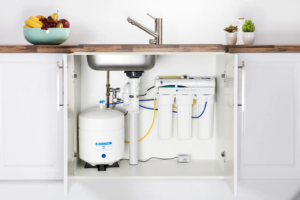
It’s worth keeping perspective here. Chlorine at regulated levels is considered safe. But if you’re sensitive to it—or simply don’t enjoy the taste—carbon filtration systems can help reduce residual chlorine before it reaches your tap.
A whole-home carbon filter addresses it throughout the house. A point-of-use filter focuses just on drinking water. The right choice depends on how much it bothers you and where you notice it most.
Hard Water: The Silent Wear and Tear
Now let’s talk about hardness.
If you’ve ever scraped white crust from a faucet or replaced a heating element in a water heater earlier than expected, you’ve seen hard water in action. Calcium and magnesium minerals, naturally present in many regions, leave deposits as water evaporates.
On the surface, it’s annoying. Under the surface, it’s more than that.
Scale accumulates inside pipes and appliances, gradually reducing efficiency. Water heaters require more energy to do the same job. Dishwashers struggle. Washing machines wear down faster.
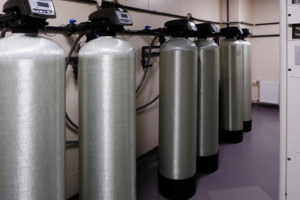
To prevent scale buildup, many homeowners turn to water softeners. These systems swap hardness minerals for sodium or potassium ions, reducing the mineral load in the water.
The result isn’t flashy. Soap lathers better. Dishes come out clearer. Heating elements stay cleaner longer.
But behind the scenes, your plumbing system breathes a little easier.
What Makes a Softener Actually Work
Water softeners rely on a process called ion exchange. Resin beads inside the tank attract and hold onto calcium and magnesium ions while releasing sodium ions into the water stream.
Over time, those resin beads become saturated and must be regenerated with a salt solution. That regeneration step restores ion exchange efficiency, allowing the system to continue functioning properly.
Here’s where maintenance matters.
If salt levels drop too low, regeneration can’t occur effectively. If the resin bed becomes fouled with iron or debris, performance declines. And because these changes happen gradually, many homeowners don’t notice until hardness symptoms return.
Regular checks—simply lifting the lid and making sure salt is present—go a long way.
Balancing Filtration and Softening
Chlorine and hardness are different challenges. One is a disinfectant. The other is a mineral condition.
Treating them requires different tools.
Carbon filtration reduces chlorine taste and odor. Softening addresses hardness. In some homes, both systems operate together, each handling its specific task.
This layered approach isn’t overkill—it’s targeted.
Think of it like wearing sunscreen and sunglasses. They solve different problems, but together they make a sunny day more comfortable.
The Importance of Testing Before Installing
It’s tempting to jump straight into equipment purchases. But without testing, you’re guessing.
A basic water analysis reveals hardness levels, chlorine concentration, pH balance, and other metrics. Those numbers guide smarter decisions.
If chlorine levels are already low, extensive filtration might not be necessary. If hardness is minimal, a softener may not deliver noticeable benefits.
Water varies dramatically by region—and even by neighborhood. Data keeps you grounded.
Energy and Cost Implications
Here’s something many people overlook: untreated hard water can increase energy consumption.
Scale on heating elements acts as insulation. Appliances work harder and longer to heat water. Over time, that inefficiency adds up.
By preventing scale buildup and maintaining proper ion exchange efficiency, softeners indirectly reduce energy strain.
Likewise, reducing chlorine before it interacts with plumbing components can extend the lifespan of certain materials.
Water treatment isn’t just about comfort. It’s about preservation.
A Measured Approach
It’s easy to get carried away with water discussions. Headlines can make everything sound urgent. Sales pitches can make systems seem indispensable.
The truth sits somewhere in the middle.
Most municipal water is safe by regulatory standards. Many hardness issues are manageable. Solutions exist—but they should match actual conditions, not fear.
Start with testing. Observe your home’s patterns. Address specific concerns rather than chasing perfection.
Final Thoughts
Water moves quietly through your home every day. You don’t see what’s happening inside pipes or tanks. But chemistry is always at work.
Chlorine keeps microbes at bay. Minerals accumulate slowly. Ion exchange systems do their job behind the scenes.
Understanding these processes helps you make thoughtful choices—whether that means reducing chlorine exposure, maintaining ion exchange efficiency, or taking steps to prevent scale buildup.
Clean water isn’t about panic.
It’s about paying attention to the small details that shape everyday life—and responding with practical, informed decisions.
Sometimes, that’s all it takes to make your home feel just a little bit better.