You don’t really think about your water—until it starts leaving clues behind. White streaks on the shower glass. A crusty ring inside the kettle. Towels that feel stiff no matter how much fabric softener you use. It’s not a crisis, but it’s enough to make you sigh.
Hard water is one of those slow-burn household issues. It doesn’t flood your basement or trip your breaker. It just quietly builds up, layer by layer, inside pipes and appliances. And after a while, you start wondering if there’s a smarter way to deal with it.
That’s usually when water softeners enter the conversation.
What Hard Water Is Really Doing Behind the Scenes
Hard water contains higher levels of calcium and magnesium. These minerals aren’t harmful to drink—in fact, they’re naturally occurring—but they’re stubborn. When water heats up or evaporates, those minerals separate and cling to surfaces as scale.
Inside a water heater, that scale acts like insulation. The heating element has to work harder to do the same job. In dishwashers and washing machines, buildup slowly affects efficiency. Even pipes can narrow over time.
You may not notice it immediately, but over the years, it adds up.
The Traditional Approach: Salt-Based Systems
The most common solution involves ion exchange technology, often found in salt based softeners. These systems replace calcium and magnesium ions with sodium (or sometimes potassium) ions. The result? Water that doesn’t form scale as easily.
It’s a straightforward process. Hard water enters the system. Minerals are swapped out. Softer water flows into your home.
Many homeowners appreciate the reliability of this setup. It’s tried and tested. And when properly maintained—meaning you refill the salt regularly—it works consistently.
There’s a rhythm to it. Check the brine tank once a month. Top it off. Move on with life.
When Continuous Soft Water Matters
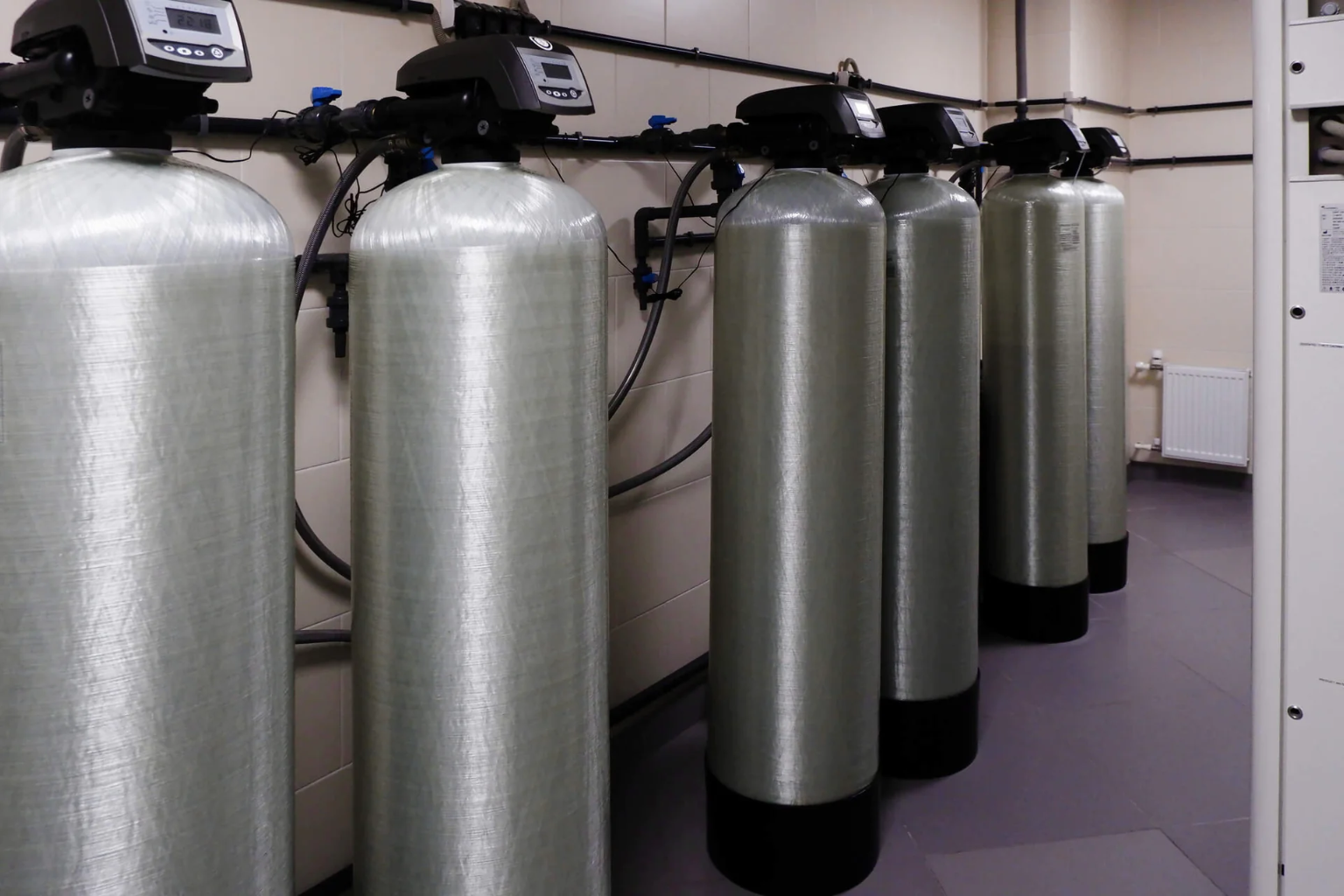
For larger households, or homes with heavy water use, standard systems sometimes struggle during regeneration cycles. That’s where twin tank softeners come into play.
Instead of relying on a single resin tank, these systems use two. When one tank regenerates, the other continues supplying soft water. That means no interruptions—even during peak usage.
It’s not always necessary for smaller homes. But for families with multiple bathrooms or high daily water demand, the difference can be noticeable.
Think of it as a backup generator for your water softness—quietly ensuring consistency.
Everyday Improvements You’ll Actually Notice
Now let’s talk about what changes once you install a softener.
First, cleaning becomes easier. Soap lathers better in soft water, so you often use less of it. Shower doors collect fewer mineral spots. Dishware dries clearer.
Laundry can feel softer without extra additives. Even your skin and hair might feel less dry after a shower.
These softener benefits aren’t dramatic in isolation. But taken together, they subtly improve daily routines. It’s the kind of upgrade you appreciate more over time.
And appliances? They tend to last longer when scale isn’t constantly building inside them.
Cost Versus Long-Term Value
Water softeners aren’t free. There’s the upfront cost of the system and installation. Then there’s the ongoing expense of salt and occasional maintenance.
But consider what hard water costs in the long run: appliance repairs, higher energy bills, cleaning products, and time spent scrubbing stubborn residue.
It’s not about instant savings. It’s about reducing slow, steady wear and tear on your home.
Over five or ten years, that quiet protection often pays for itself.
Is a Softener Always Necessary?
Not every home needs one. Some regions naturally have soft water. Others fall somewhere in the middle.
Testing your water hardness is the best place to start. Municipal water reports often list hardness levels. Home test kits are inexpensive and easy to use.
Generally speaking, water above 7 grains per gallon is considered moderately hard. Above 10, the effects become more obvious.
Knowing your number keeps the decision grounded in reality instead of guesswork.
Maintenance: The Non-Negotiable Part
Here’s the thing—no matter how advanced the system, maintenance matters.
Salt needs refilling. Resin beds eventually wear out after years of use. Ignoring upkeep reduces effectiveness and can allow hardness to creep back in.
The good news? Maintenance isn’t complicated. It’s more about consistency than effort.
A softener that’s properly maintained becomes one of those household systems you barely think about.
A Balanced Decision
It’s easy to get swept up in brand comparisons and feature lists. Digital displays. Smart monitoring apps. High-efficiency claims.
But at its core, the decision is simple: are the effects of hard water impacting your comfort or your home’s longevity?
If the answer is yes, a well-chosen softener can make a meaningful difference.
Not flashy. Not dramatic. Just practical.
Final Thoughts
Hard water doesn’t announce itself loudly. It builds up quietly, over time, in places you can’t always see.
Addressing it with the right softener—whether traditional or dual-tank—can simplify cleaning, protect appliances, and improve daily comfort in subtle ways.
Water flows through your home every single day. Making it work better isn’t about chasing luxury. It’s about reducing friction and protecting what you’ve already invested in.
And sometimes, the smartest upgrades are the ones that quietly make life a little easier—without ever needing to show off.
