hard water effects
It usually starts with something small.
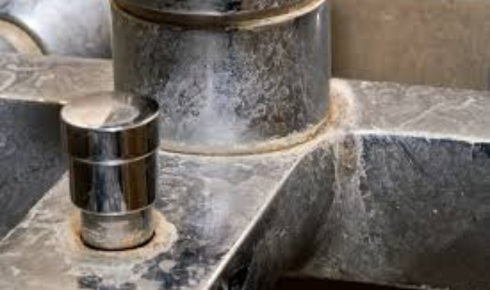
A faint orange tint near the drain. A shirt that doesn’t feel as soft as it used to. Maybe your faucet starts looking a little dull, no matter how often you wipe it down. You shrug it off—life’s busy, after all.
But these little things don’t just disappear. They stick around, repeat themselves, slowly becoming part of your everyday routine. And at some point, you begin to wonder… is this just normal, or is something else going on?
That question—quiet, almost casual—is often the first step toward understanding your water a bit better.
Why Water Isn’t Always as Simple as It Seems
We tend to think of water as a constant. You turn on the tap, and there it is. Clear, reliable, easy. But what’s in that water can vary more than most people realize.
Minerals, metals, and natural elements all travel along with it. Some are harmless. Some are just inconvenient. And some—over time—can start to affect your home in ways that aren’t immediately obvious.
That’s where the idea of hard water effects begins to make sense. It’s not about something being broken. It’s about something being slightly off—consistently, over time.
And consistency, in this case, is what makes it noticeable.
The Everyday Clues You Might Be Ignoring
Hard water doesn’t shout for attention. It whispers.
Soap that doesn’t lather properly. Spots on dishes that won’t rinse away. Hair that feels dry no matter what conditioner you use. These are all small signals, easy to dismiss on their own.
But together, they tell a story.
They point to water that’s carrying more minerals than your home really needs. And while those minerals aren’t dangerous, they do change how water behaves—how it interacts with surfaces, fabrics, even your skin.
It’s subtle, but persistent.
When Iron Leaves Its Mark
Then there’s another layer to consider—something that often shows up in well water but can appear elsewhere too.
Iron.
At first, it might just be a faint discoloration. A slight metallic taste, maybe. But over time, iron buildup can become more noticeable. Stains in sinks and toilets. Marks on laundry that don’t quite wash out.
And unlike general hardness, iron tends to make itself visible in ways that are harder to ignore.
It’s not just about appearance either. That buildup can also affect plumbing and appliances, leaving behind residue that accumulates slowly but steadily.
Again, nothing dramatic. Just enough to make you pause and think.
How It Affects Your Home Over Time
What’s interesting is how these issues don’t stay confined to one area.
They spread.
Your water heater might take longer to do its job. Your washing machine may not clean as efficiently. Your dishwasher could leave behind more residue than it used to. Each system, in its own way, responds to what’s flowing through it.
And because the changes happen gradually, you adjust without realizing it.
You use more detergent. You clean more often. You accept a certain level of imperfection as normal.
But it doesn’t have to be.
The Case for Thinking Ahead
One of the most practical ways to approach water quality is to think in terms of maintenance prevention. Not waiting for problems to show up, but addressing the conditions that lead to them in the first place.
It’s a bit like taking care of your car. You don’t wait for the engine to fail before changing the oil. You take small steps early on to avoid bigger issues later.
The same idea applies here.
By improving your water quality, you reduce the strain on your home. Less buildup, fewer stains, more consistent performance across the board.
It’s not about eliminating every problem. It’s about minimizing them before they grow.
What Changes When Water Improves
Here’s the part that surprises most people.
When your water quality improves, the changes don’t feel dramatic. There’s no single moment where everything suddenly feels different.
Instead, it’s a series of small shifts.
Your dishes come out cleaner. Your laundry feels softer. Your bathroom stays looking fresh for longer. You spend less time scrubbing, less time troubleshooting, less time wondering why things aren’t working quite right.
It’s not exciting. It’s just… easier.
And over time, that ease becomes something you appreciate more than you expected.
A Simpler Routine, Without the Extra Effort
There’s also a sense of relief that comes with not having to compensate for your water.
You don’t need extra cleaning products. You don’t need to rewash clothes or polish glassware repeatedly. Your routines become more straightforward, more predictable.
And that’s where the real value lies—not in doing more, but in needing to do less.
Because when water works the way it should, everything else falls into place.
Seeing Your Home a Little Differently
Once you start paying attention to water quality, it changes how you look at your home.
You begin to see connections—how something as simple as water can influence so many aspects of daily life. From the way your kitchen functions to how your laundry feels, it’s all linked.
And when you improve that one element, the benefits ripple outward.
Not in a loud, obvious way. But in a steady, reliable way that makes your home feel more comfortable.
A Quiet Improvement That Lasts
In the end, addressing water quality isn’t about chasing perfection. It’s about awareness.
Recognizing that those small signs—the stains, the residue, the slight inefficiencies—aren’t just random. They’re indicators of something you can actually improve.
And once you do, the difference isn’t something you constantly notice.
It’s something you stop noticing altogether.
Fewer issues. Fewer adjustments. Fewer moments where something feels just a little off.
And sometimes, that’s exactly what you want—a home that works smoothly, without drawing attention to the things that used to get in the way.