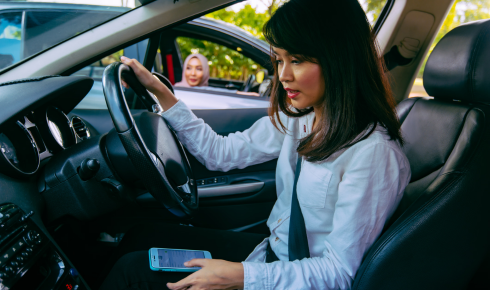
There’s something oddly personal about learning to drive. It’s not just a skill you pick up like riding a bike or typing faster on a keyboard—it’s layered. There’s emotion in it. A bit of fear, a bit of excitement, and somewhere in between, this growing sense that you’re stepping into independence.
Most people focus on the end goal. They want to get your license as quickly as possible, tick that box, and move on. And sure, that’s understandable. A license opens doors—literally and figuratively. But the journey to that point? That’s where the real learning happens, even if it doesn’t always feel that way in the moment.
The Early Days Feel Awkward (And That’s Okay)
If you’ve ever sat in the driver’s seat for the first time, you probably remember how unnatural everything felt. The pedals, the mirrors, the constant awareness of your surroundings—it’s a lot to take in.
Your hands might grip the steering wheel a bit too tightly. You overthink every turn. Maybe you check the mirrors ten times in a minute. It’s not smooth, and it’s definitely not graceful. But that’s exactly how it’s supposed to be.
No one talks enough about how uncomfortable the beginning can feel. We just assume we’ll “figure it out.” And you will—but not instantly.
Practice Isn’t Just a Requirement
At some point, you’ll hear about the need for 50 hours of driving experience. For many learners, that sounds like a chore. Fifty hours? That’s a lot of time behind the wheel, especially when you’re still building confidence.
But here’s the thing—those hours aren’t just about logging time. They’re about exposure.
Driving during the day feels different than driving at night. A quiet residential street doesn’t prepare you for a busy intersection. Rain changes everything. So does traffic.
Each hour teaches you something slightly different. And without even noticing, you start connecting the dots. What once felt overwhelming becomes familiar. What once made you nervous becomes manageable.
It’s less about the number and more about what those hours quietly do to your confidence.
You’re Not Alone in the Beginning
One of the more underrated parts of learning to drive is having a licensed adult with you. At first, it might feel like supervision. Maybe even a bit restrictive.
But over time, that presence becomes something else—a safety net.
They notice things you might miss. They step in when you hesitate. Sometimes they offer advice you didn’t know you needed, and sometimes they just sit quietly, letting you figure things out on your own.
There’s a balance there. Guidance without pressure. Support without control.
And honestly, those shared drives—conversations in between, small corrections, even the occasional disagreement—they become part of the experience. Something you might look back on later with a bit of nostalgia.
Small Wins Matter More Than You Think
Progress in driving doesn’t come in big, dramatic moments. It’s subtle.
The first time you park without second-guessing yourself.
The first smooth lane change.
The moment you realize you didn’t feel nervous during an entire drive.
These aren’t milestones anyone celebrates publicly, but they matter. They’re signs that you’re getting better, even if it’s happening quietly.
And sometimes, those small wins come after frustrating days. Maybe you stalled the car, misjudged a turn, or felt overwhelmed in traffic. It happens. What matters is that you keep going.
The Road Teaches More Than Just Driving
There’s something else that sneaks up on you during this process. Driving starts to teach you things beyond the mechanics.
Patience, for one. You can’t rush everything on the road.
Awareness. You learn to read situations, anticipate actions.
Responsibility. Every decision you make has an impact—not just on you, but on others.
It’s a shift in mindset. You stop seeing driving as just a task and start understanding it as a shared space where everyone plays a role.
And that perspective? It sticks with you long after you’ve passed your test.
When It Finally Clicks
At some point—and it’s different for everyone—things begin to feel natural. You’re not overthinking every move. Your reactions become smoother, your decisions quicker.
It’s not perfection. Even experienced drivers make mistakes. But there’s a level of comfort that settles in.
You trust yourself more.
And that’s when driving stops feeling like something you’re learning and starts feeling like something you do.
A Thought Before You Go
If you’re in the middle of learning, it might feel slow. Maybe even frustrating at times. That’s part of it.
Try not to rush through the process just to reach the finish line. Because once you’re there, you’ll realize the journey itself shaped you more than the destination ever could.
Take your time. Learn from your mistakes. And give yourself a bit of grace along the way.
Because one day, without even realizing it, you’ll be driving somewhere familiar, relaxed and confident—and you’ll barely remember how uncertain it all once felt.
