hard water
Water. We drink it. We bathe in it. We cook with it. It’s in our coffee, our tea, our laundry cycles, our morning showers — and yet, most of us barely give it a second thought. That is, until something goes wrong. A glass isn’t clear. Your skin feels tight after a shower. The dishes? Spotty again. And let’s not even talk about that white crust building up around the faucets like a science experiment gone rogue.
If any of that sounds a little too familiar, welcome to the world of hard water. And trust me, it’s not just your imagination — your water might be quietly making life more difficult than it needs to be.
The Unseen Menace in Your Tap
First off, what is hard water, really? It’s not some villain in a dystopian novel, though it might feel like it. It’s water that’s loaded with minerals — mostly calcium and magnesium — picked up as it travels through underground rock layers.
Now, these minerals aren’t toxic. You could drink hard water every day and be just fine from a health standpoint. But your plumbing, your appliances, your skin, and your mood? Not so lucky.
Hard water doesn’t kill, but it definitely annoys.
Signs You’re Living the Hard Water Life
Hard water has a way of creeping up on you. Maybe your showerhead starts to spray in weird directions. Your hair suddenly feels dry no matter how much conditioner you use. Towels never feel fluffy anymore. You’re scrubbing your bathtub more often because it never seems to stay clean. All these subtle clues point toward one culprit — those persistent minerals.
The longer you let it slide, the more you start seeing the toll. From cloudy glassware to a sluggish water heater, hard water doesn’t discriminate. It quietly lays down mineral buildup, like a film of time ticking away in chalky layers.
That Sneaky Scale Problem
Let’s talk about scale — not the bathroom kind, but the kind that coats your kettle, clogs your pipes, and shortens your appliance lifespan. Scale is basically solidified mineral residue, and it loves heat. That’s why your hot water heater becomes a prime target.
Every time your water gets heated, the minerals come out of solution and latch onto surfaces. Over time, they create a crusty, insulating layer that forces your systems to work harder. You use more energy. Pay higher bills. And eventually? You’ll probably be calling for repairs.
This isn’t just a cosmetic nuisance. This is the slow, gritty sabotage of modern living.
What’s the Fix? It Starts With Awareness
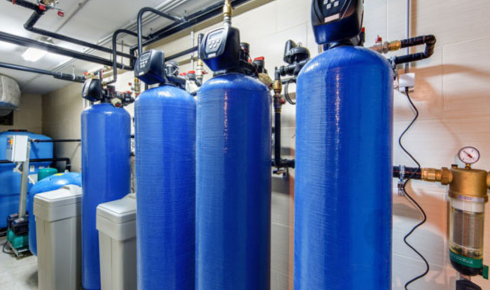
There’s a reason water softening systems have become household heroes. They take the edge off — quite literally — by removing the calcium and magnesium ions from your water and replacing them with something gentler (usually sodium or potassium).
A good water softener system isn’t about making your water fancy. It’s about making it functional again. You get better lather in the shower. Your washing machine works more efficiently. Your appliances stop aging like they’re in dog years.
Plus, there’s something oddly satisfying about wiping your faucet clean and seeing it stay clean.
Busting the Myths: Is Soft Water “Too Soft”?
One of the biggest hesitations people have around softening their water is the idea that it might somehow make the water “slippery” or “unnatural.” But that slipperiness? That’s actually just soap doing its job. For the first time in a long time, it’s not fighting minerals.
You might notice a difference in taste, especially if you’re used to the “bite” that comes with mineral-heavy water. But it’s more subtle than you think. And for most people, the benefits far outweigh the adjustment period.
Everyday Benefits You Didn’t Know You Were Missing
Living with soft water feels like removing an invisible weight. Your shampoo lasts longer. Your clothes feel softer. You don’t have to use industrial-strength cleaners just to make your sinks sparkle.
Even your wallet breathes easier. Fewer repairs. Lower energy bills. Longer-lasting appliances. It adds up.
And here’s something else: it feels good knowing your home is protected — not just on the surface, but deep in the pipes where damage is harder to see (and far more expensive to fix).
Not All Softening Is Equal: What to Look For
Thinking of installing a softener? Good call. But like anything else, not all systems are created equal.
First, make sure you know your water’s hardness level. You can usually get this tested locally or use a DIY kit. The higher the number (measured in grains per gallon), the more serious your problem.
Then look for a system that matches your household size and water usage. Some units regenerate based on a timer, while others use sensors for demand-initiated regeneration — meaning they only run when needed, saving salt and water.
Installation isn’t usually DIY-friendly unless you’re a plumbing whiz. But the good news? Once it’s in place, maintenance is minimal. Just keep an eye on the salt levels, and occasionally clean the brine tank.
What If You Rent? Or Move Often?
Not ready to install a whole-house system? Portable softeners exist, and they’re great for smaller households or temporary setups. There are also showerhead filters and faucet-mounted units that help reduce the harshness where you need it most.
While they don’t tackle the root cause system-wide, they’re a step in the right direction. Any reduction in mineral content means less stress on your skin, your clothes, and your patience.
A Soft Water Lifestyle Is a Low-Stress One
At the end of the day, soft water isn’t just a luxury — it’s a lifestyle improvement. It’s not about turning your home into a spa (though, no judgment if that’s the goal). It’s about reclaiming time, money, and peace of mind.
It’s waking up to clean water that doesn’t sabotage your skin. It’s running a dishwasher without praying your glasses won’t come out cloudy. It’s knowing your water heater won’t throw in the towel five years too soon.
Final Thoughts: Listen to What Your Water’s Telling You
Water doesn’t need to shout to be heard. Sometimes it whispers — through white rings on faucets, dry skin, stiff laundry, or another surprise repair bill.