
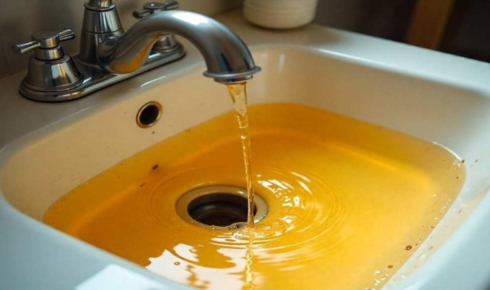
discolored water
Ever turned on your tap, expecting the usual clean flow, only to be greeted by a funky smell, strange color, or—worse yet—ugly stains on your sink? It’s one of those “what the heck is happening?” moments that can catch you off guard. Water is something we rely on without much thought… until it starts acting suspicious. Let’s dive into what might be happening behind those unsettling signs and what you can do about them.
Something’s Off: The Telltale Signs of Water Trouble
Water isn’t supposed to have personality—it’s meant to be clean, tasteless, and odorless. But when it goes rogue, it usually gives off a few red flags. These aren’t just random quirks either. They’re signs that something deeper might be going on with your home’s plumbing, your water source, or even the pipes underground.
Here are the common warning signs:
- Strange smells (metallic, rotten egg, musty)
- Unusual taste
- Odd coloration—yellow, brown, or reddish hues
- Mineral buildup or crusty residue
- Stains on sinks, tubs, and fixtures
Let’s unpack a few of the biggest troublemakers in more detail.
What’s With the Murky Hue? Understanding Discolored Water
That rusty or yellowish tint in your tap discolored water isn’t just gross—it could mean something serious. Most commonly, this type of water discoloration comes from iron or manganese in your water supply. If the color leans toward red or brown, it could be rust. This often happens in older homes with corroded iron pipes or in municipal systems with outdated infrastructure. Sometimes, maintenance work or sudden changes in water flow stir up sediment that’s been sitting quietly in the pipes, and voilà—your water gets murky.
But don’t panic right away. Run your water for a few minutes to see if it clears. If it doesn’t, or if it happens regularly, it’s worth calling your local water utility or a plumber to investigate.
Taste Bud Trouble: When Water Just Tastes… Off
Let’s talk about that awkward moment when you take a sip and nearly spit it out. Water that tastes metallic, bitter, or earthy isn’t normal—and it’s definitely not something to ignore. A bad taste or odor in your drinking water often indicates the presence of contaminants like chlorine, sulfur, or even algae (yep, really). High chlorine levels, especially in city water, can make your tap water taste like a swimming pool. On the flip side, if it tastes like rotten eggs, sulfur bacteria may be to blame.
Well water users are particularly susceptible to these kinds of taste and odor issues, especially if the water source isn’t tested regularly. Activated carbon filters can help, but long-term peace of mind comes from water testing and treatment systems designed specifically for your water profile.
The Hidden Menace: Stains on Fixtures and What They Mean
You might not think twice about those reddish rings in your toilet bowl or chalky buildup on your faucets, but they’re trying to tell you something. These stains on fixtures are often caused by high levels of minerals like iron, calcium, or magnesium in your water. In short: hard water. Over time, it doesn’t just stain—it can also damage your appliances and clog your pipes.
Those blue or green stains? They might be coming from copper pipes corroding due to acidic water. And if you’re dealing with orange or brown discoloration, iron is likely the culprit. Not only are these stains unsightly, but they’re also surprisingly stubborn. You can scrub all you want, but without addressing the root cause, they’ll keep coming back.
What Causes These Issues, Anyway?
Several factors can contribute to water quality problems, and they vary depending on whether your water comes from a private well or a municipal source. Some common causes include:
- Aging pipes: Rust and corrosion can break off into your water supply.
- Sediment: Dirt and minerals can settle in pipes or be stirred up during maintenance.
- Bacteria: Sulfur-reducing bacteria create a distinctive rotten egg smell.
- Chemical treatments: Over-chlorination can result in off-tastes and smells.
- Natural mineral deposits: Especially common in hard water areas.
So, What Can You Actually Do About It?
The good news? These water woes aren’t irreversible. Depending on the source of the problem, there are some solid fixes.
- Get your water tested. Always start here. A comprehensive test can tell you what’s really going on.
- Install filters or softeners. For mineral-heavy water, a water softener can make a world of difference. If taste and odor are the main concern, an activated carbon filter might be enough.
- Consider a whole-home treatment system. These can address multiple issues at once—sediment, taste, hardness, even bacteria.
- Call a plumber. If your house has old piping or corrosion, a professional evaluation might be necessary.
Even your municipal water supply can fluctuate in quality, so it’s worth staying alert. Just because it was fine last month doesn’t mean it’ll be fine tomorrow.
When to Call in the Pros
Let’s be real—some fixes are just out of reach for the average homeowner. If the discoloration is persistent, if you’ve tried basic filtering with no improvement, or if your home has a history of plumbing issues, it’s time to bring in a licensed water specialist or plumber. Trust your instincts. If your water smells, tastes, or looks weird, it probably is.
And if you’re relying on well water, regular testing isn’t just a good idea—it’s essential. The CDC recommends at least yearly testing for bacteria, nitrates, and more. Water issues can creep in slowly, and by the time you notice a change, the problem might’ve been developing for months.
Final Thoughts: Don’t Ignore What Your Water’s Telling You
Your water’s behaving strangely for a reason. Whether it’s a strange hue in your glass, a bitter aftertaste, or stubborn mineral stains in your sink, those signs are worth paying attention to. It’s your home’s way of saying, “Hey, something’s not right.”
While it’s easy to shrug off small changes in water quality, remember that water is a daily essential. You drink it, cook with it, bathe in it—it deserves attention and care. A little investigation now can prevent major headaches (and health concerns) down the line.
So the next time you notice a whiff of sulfur or see a rusty ring around the tub, don’t just chalk it up to “old house problems.” Listen to your water. It’s trying to tell you something important.