
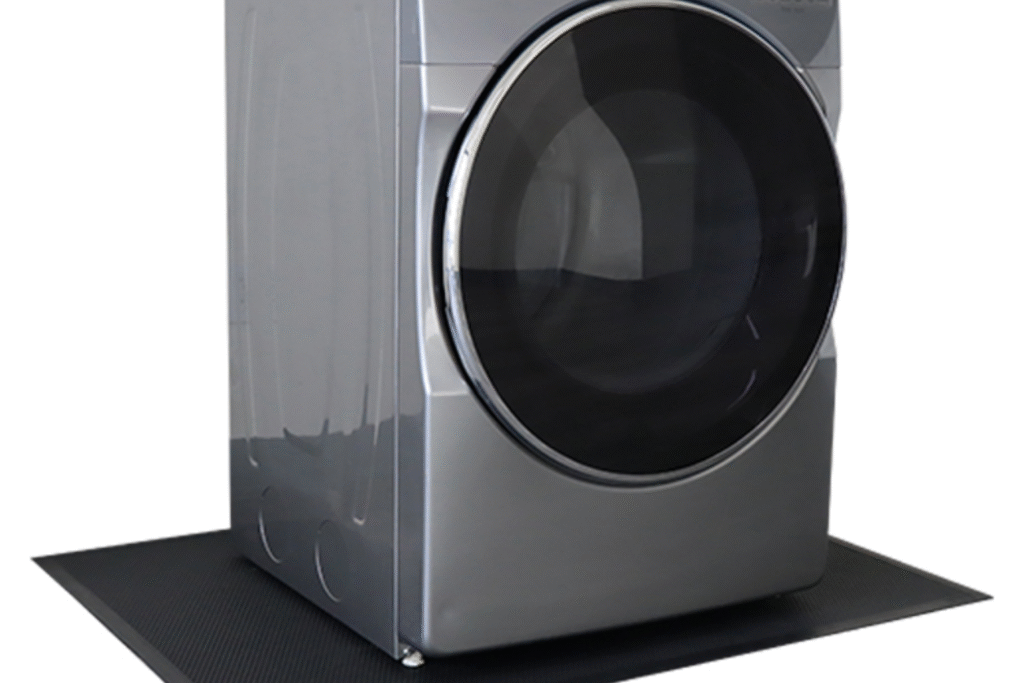
how to stop washing machine from walking
There’s something deeply unsettling about a machine that decides to move on its own. You pop a load of laundry in, press the button, and ten minutes later—BOOM—your washer is halfway across the room like it’s trying to escape laundry duty. It’s funny… until it’s not.
If you’re tired of chasing your runaway washer, you’re not alone. This isn’t some random machine rebellion. It’s a common household issue with real solutions. So let’s dive into the nitty-gritty of how to stop washing machine from walking, without making it sound like you’re training a pet.
First of All—Why Is Your Washing Machine Even Moving?
Washing machines aren’t supposed to wander. They’re built to sit still, quietly doing their job in the background. So when yours starts moonwalking across the laundry room, something’s not right.
The number one reason? Vibration. More specifically, unbalanced vibration during the spin cycle. That usually comes from:
- Uneven floors
- Off-balance loads
- Unlevel washer legs
- Worn-out shock absorbers
It’s not about “cheap” machines or “too heavy” loads. Even the fanciest front-load washer can get jittery under the wrong conditions.
The Easiest Fix? Check the Legs
Yep, your washing machine has legs—well, feet—and those little suckers matter more than you think. Most washers come with adjustable legs that screw in and out to make up for uneven floors. But guess what? They shift over time.
Set your washer back to its starting point. If it rocks when you push on it (even just a little), it’s time to adjust. A wrench or even your hand can usually do the trick. Don’t stop until it’s perfectly flat and doesn’t wobble.
And if you’re wondering how to stop washing machine moving when spinning, this is ground zero. Leveling is 80% of the battle.
Anti-Vibration Pads: Small Pads, Big Difference
Once your washer is level, let’s talk about noise and shake. Even if everything is technically “balanced,” your machine can still vibrate like a jackhammer. That’s where anti-vibration pads step in.
These rubber or foam pads go under your washer’s feet and absorb the rumble. They’re affordable, easy to install, and wildly effective—especially on tile or hardwood floors. Think of them as sneakers for your appliance. Just pop them under and let gravity (and physics) do the rest.
It won’t fix every issue, but it will help reduce your washer’s urge to breakdance during every rinse cycle.
Don’t Ignore the Load
This one’s sneaky. You’re doing laundry like you always do—towels, jeans, maybe a hoodie—and suddenly the machine sounds like it’s going to launch through the ceiling.
Why? Uneven weight distribution.
When you throw in heavy items without balancing them with lighter ones, the drum gets lopsided. The spin cycle can’t handle that imbalance, and the whole thing starts rattling. Fix? Mix your loads better. Avoid washing one big item by itself. Add smaller items around it to even things out.
That tiny tip might be the difference between peaceful laundry time and a full-blown washer rodeo.
Is the Floor to Blame?
Believe it or not, the floor under your machine plays a major role in how much it shakes. Concrete slabs? Fantastic. Old wood floors? Not so much.
If your laundry area is in a basement, you’re probably good. But if it’s upstairs on a wood floor, you might need reinforcement—literally. Plywood platforms or rubber mats can help distribute the weight more evenly and reduce bounce.
Addressing the floor won’t always be fun (or cheap), but it might just stop your washing machine walking across the room like it’s got places to be.
Shipping Bolts Still Attached? Yikes.
This is one for the new appliance owners. Washers come with shipping bolts that stabilize the drum during transport. If you forget to remove them when installing the machine, you’ll be dealing with serious shake—no matter how perfect everything else is.
Check your manual or look on the back of the washer. If those bolts are still in place, take them out right now. Leaving them in can cause long-term internal damage. It’s a five-minute fix that can prevent years of annoyance.
Bonus Trick: Weight Distribution Mats
Some homeowners take things up a notch and use weight-distribution trays or platforms beneath their washers. These distribute vibrations across a wider area, especially helpful in homes with lightweight or uneven floors.
They’re not as common as anti-vibration pads, but they can be a godsend for persistent problems. And they’re a great companion solution if you’ve already leveled the legs and balanced your loads but still hear your washer creeping.
Let’s Talk Maintenance
Like anything mechanical, your washer needs occasional TLC. That includes checking the internal suspension rods, drum bearings, and shocks—yes, washers have shocks.
If you’ve tried everything and it still dances, it might be time for a professional diagnosis. Worn-out parts don’t always scream “broken.” Sometimes they just slowly make your life a little more annoying each wash cycle.
When DIY Isn’t Enough
Look, you can be the handiest person on the block and still hit a wall. If you’ve adjusted legs, balanced loads, added pads, and reinforced your floor and still need help figuring out how to stop washing machine from walking, then maybe—just maybe—it’s time to call in a pro.
You don’t have to live with this forever. There are techs who specialize in vibration issues and know what to check behind the scenes.
Final Spin: Let Your Washer Do the Work—Without the Drama
You bought a washing machine to make life easier—not to give you a cardio workout every time it starts spinning. But the good news? Most “walking” washers aren’t broken. They’re just misunderstood.
A little time spent leveling the legs, checking the load balance, and slipping some pads under the feet can go a long way. If your machine still insists on acting like it’s alive, don’t stress—there’s a fix for that too.