There’s something undeniably refreshing about a cold glass of water. You turn on the tap, fill your bottle, take a sip—and don’t give it a second thought. But what if I told you that even the clearest-looking water can contain an invisible mix of minerals, salts, metals, and more?
Enter TDS. Short for Total Dissolved Solids, it’s one of those terms you might’ve seen on your water filter box or maybe heard tossed around in a conversation about “pure” water. At first glance, it sounds a little… intimidating. Science-y. Maybe even toxic.
But here’s the truth: TDS isn’t necessarily bad. It’s not a villain lurking in your sink. It’s just something worth understanding—especially if you care about your water’s taste, health, or how well your coffee brews in the morning.
Let’s break it down in plain English. No fluff, no fear-mongering—just real talk about what’s in your water and why it matters.
So First Off—What Are TDS?
Let’s not overcomplicate this. What are TDS? In simple terms, TDS stands for Total Dissolved Solids. It’s a measure of everything that’s dissolved in your water except pure H₂O molecules. We’re talking about minerals like calcium, magnesium, and potassium, as well as salts, organic matter, and even trace metals like lead or copper (yikes).
Imagine you drop a sugar cube into hot tea. It dissolves completely, right? Now imagine if you tried to scoop it back out. You couldn’t—because it’s mixed in on a molecular level. That’s kind of how dissolved solids work. You can’t see or filter them with your eyes, but they’re still floating around in there.
Some TDS is naturally occurring, especially if your water comes from a well or spring. In fact, many of those dissolved solids are essential for health—think calcium and magnesium. Others, though, not so much. Chlorides, nitrates, pesticides, or even runoff from industrial waste can contribute to elevated TDS levels.
So, when you hear someone ask, “Whats TDS?”, now you’ve got an answer that doesn’t require a chemistry degree.
What Total Dissolved Solids Actually Tell You
Now, don’t go assuming all TDS is evil. It’s more like a water report card. A high or low TDS reading gives you a snapshot of the water’s general quality—but it doesn’t tell you everything. It’s a hint, not a diagnosis.
So when people say total dissolved solids refer to a water’s “purity,” it’s only partially true. TDS gives a total count of all dissolved materials, but it doesn’t distinguish between good stuff (like calcium) and bad stuff (like lead). That’s why you might need additional testing to figure out exactly what is in your water.
A low TDS reading might mean the water’s extremely pure (like distilled water), but it could also mean it lacks beneficial minerals. On the flip side, water with a high TDS could taste funky or contain unwanted contaminants—or it could just be rich in healthy minerals.
Context matters. That’s why smart water drinkers (and coffee lovers) pay attention to more than just the number.
So, What’s a “Good” TDS Level?
Here’s where it gets interesting. There’s no perfect TDS number that suits everyone. The Environmental Protection Agency (EPA) in the U.S. sets the maximum recommended TDS level for drinking water at 500 mg/L (milligrams per liter). Anything above that might start affecting taste, appearance, or smell.
But plenty of bottled mineral waters exceed that and still cost $4 a bottle.
Here’s a rough breakdown to help you decode your own TDS readings:
- 0–50 ppm (parts per million): Very low, possibly too pure. Common in distilled or reverse osmosis water.
- 50–150 ppm: Ideal for drinking—clear, crisp, and safe.
- 150–300 ppm: Normal tap water, often totally fine.
- 300–500 ppm: Still okay, though may start tasting “different.”
- 500+ ppm: Check it. It could just be mineral-rich—or it could mean contamination.
That said, the right level for you depends on what you value: flavor, health, brewing consistency, or long-term appliance performance.
How TDS Impacts You (More Than You Think)
It’s not just about taste. High TDS levels can also lead to:
- Scale buildup in kettles, humidifiers, coffee machines, and pipes.
- Skin dryness if you’re showering or washing in hard water.
- Dull flavors in brewed beverages like tea or espresso.
- Reduced lifespan of appliances that rely on water.
And if you’re a plant lover? Some species don’t tolerate high TDS well, especially if it includes sodium or other salts.
Low TDS water, on the other hand, can taste flat or bland. Ever tried distilled water? It’s technically pure, but most people describe it as flavorless. That’s because those trace minerals that are removed also happen to contribute to taste and “mouthfeel.”
So whether you’re sipping, brewing, or bathing, TDS matters more than you might’ve thought.
Measuring TDS: Tools You Can Use at Home
Here’s the fun part—yes, you can test your water’s TDS at home. In fact, it’s super simple.
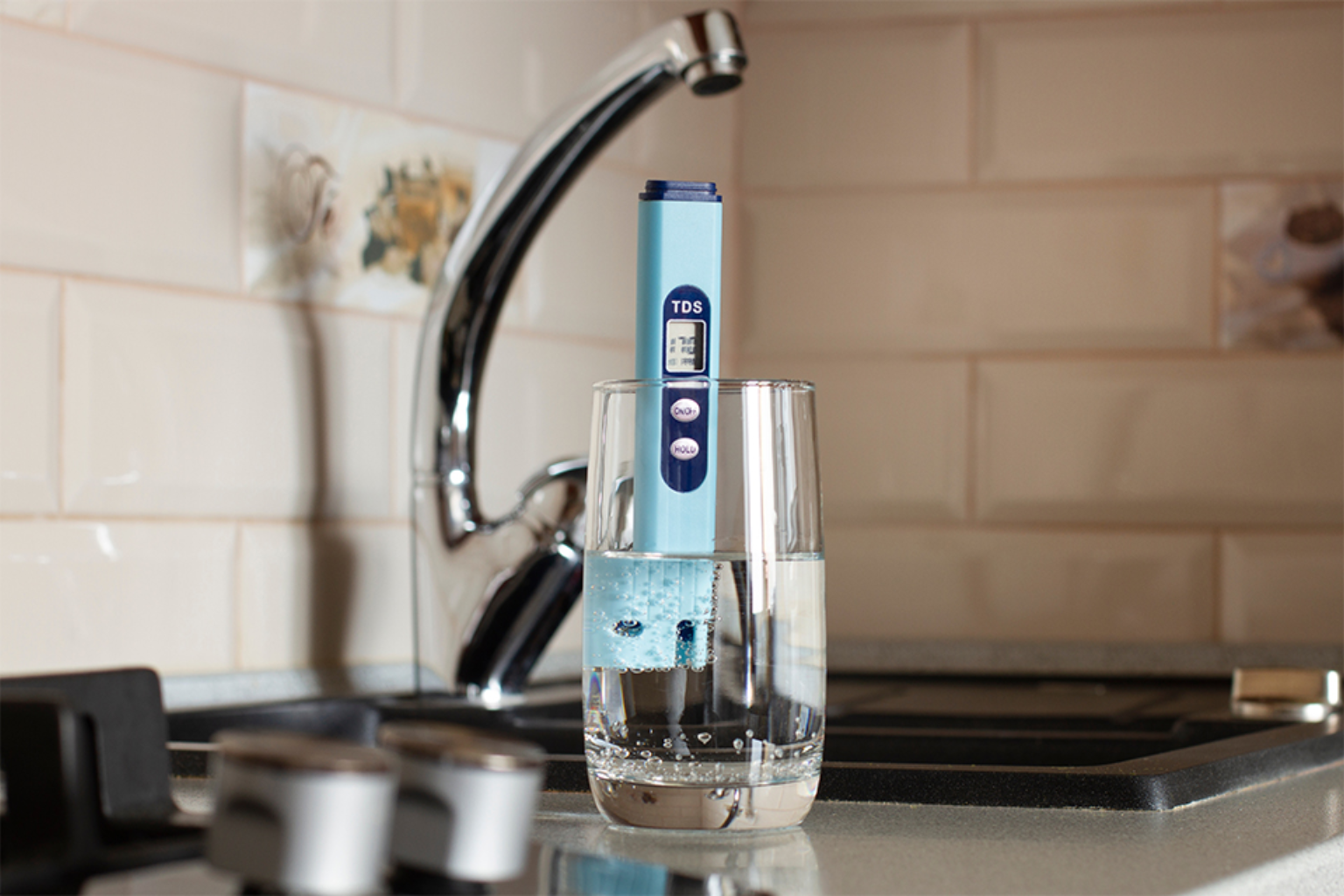
You’ll need a TDS meter. You can grab one online for $10–20. It looks like a chunky digital thermometer and works by measuring the electrical conductivity of water (more dissolved solids = more conductivity = higher TDS reading).
Just dip the meter into a glass of water, press the button, and boom—you get a quick reading in parts per million (ppm). Easy.
These gadgets won’t tell you what is in your water, but they’ll give you a solid starting point. If the number’s surprisingly high, you might want to send a sample to a lab or invest in a home filtration system.
Filtration: When TDS Is Too High (Or Too Low)
If your TDS levels are outside your comfort zone, don’t panic. There are plenty of options out there:
- Reverse Osmosis Systems: Remove nearly everything, including most TDS.
- Activated Carbon Filters: Great for removing chlorine and some organics, but don’t significantly lower TDS.
- Water Softeners: Target calcium and magnesium (the main culprits in “hard” water).
- Re-mineralization Filters: Add beneficial minerals back into purified water for better taste and balance.
Whether you’re dealing with high TDS or water that’s a little too pure, there’s a filter that fits your needs. Just don’t forget to maintain it. Filters only work when you replace them regularly.
Final Sip: TDS Doesn’t Have to Be a Mystery
TDS isn’t something to fear. It’s just one more way to understand your water—how it tastes, what’s in it, and whether it plays nicely with your appliances, skin, and taste buds.
So next time someone throws out the question, “What’s TDS?” or “Is high TDS bad?”, you’ve got the real-world context to explain it. You know that total dissolved solids refer to more than just numbers on a meter—they’re about what your water carries with it, invisible though it may be.
